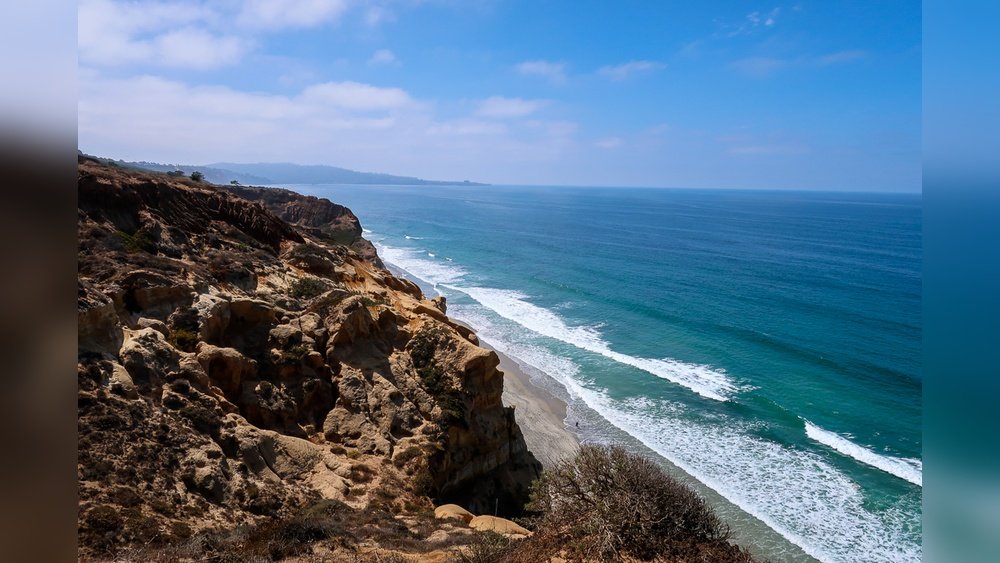
Nestled along the rugged coastline of San Diego, Torrey Pines State Reserve stands out as one of California’s most iconic hiking destinations. Famous for its rare pine trees, dramatic cliffs, and sweeping ocean views, this natural reserve attracts hikers, nature lovers, and photographers from around the world. Whether you’re a first-time visitor or a returning adventurer, a well-planned hike here offers more than just exercise—it’s an immersive experience in California’s unique coastal wilderness.
Why Torrey Pines State Reserve Is Special
Torrey Pines State Reserve is home to the Torrey pine, the rarest pine species in the United States. Less than 3,000 of these majestic trees remain in the wild, and most are found only in this reserve and on Santa Rosa Island. The park covers over 2,000 acres of preserved land, including high bluffs, deep ravines, and stretches of unspoiled beach. Hiking here means exploring a landscape that looks much like it did centuries ago.
The reserve’s location atop sandstone cliffs provides panoramic views of the Pacific Ocean. On clear days, you might even see dolphins leaping offshore or migrating gray whales. Spring brings wildflowers, while winter offers crisp air and quieter trails. Torrey Pines is also a sanctuary for birds, reptiles, and coastal plants, making every hike a small adventure in discovery.
Getting There And Essential Information
Torrey Pines State Reserve sits about 18 miles north of downtown San Diego, between La Jolla and Del Mar. The main entrance is off North Torrey Pines Road, with clear signage for the reserve. You can reach the park by car, bike, or even public transportation (the bus stops nearby).
Parking is available at the North Beach Lot (along the beach) and the South Beach Lot (closer to the visitor center). Parking fees typically range from $10 to $25 per day, depending on the season and day of the week.
Arrive early, especially on weekends or holidays, as lots fill up quickly by mid-morning.
Operating hours:
The reserve usually opens at 7:15 a.m. and closes at sunset. Remember that the park is a nature reserve, not a city park—there are no picnic tables, no barbecues, and no dogs or bikes allowed on the trails. Food is not sold inside the reserve, so bring your own water and snacks.
The Main Hiking Trails At Torrey Pines
Torrey Pines offers a variety of trails, each with its own personality. Some hug the cliffs for dramatic ocean views, while others wind through pine groves or lead down to the beach. Here’s a closer look at the main trails:
| Trail Name | Distance (miles) | Difficulty | Highlights |
|---|---|---|---|
| Guy Fleming Trail | 0.7 (loop) | Easy | Ocean views, wildflowers, pine groves |
| Razor Point Trail | 1.3 (round trip) | Moderate | Cliffs, ravines, coastal plants |
| Beach Trail | 0.75 (one way) | Moderate | Beach access, sandstone formations |
| Parry Grove Trail | 0.5 (loop) | Moderate | Pine groves, spring wildflowers |
| Broken Hill Trail | 2.5 (round trip) | Moderate | Longest trail, sea views, beach access |
Guy Fleming Trail
If you have time for only one trail, start with the Guy Fleming Trail. It’s short, mostly flat, and circles through pine forests and coastal scrub. Two main overlooks provide some of the best ocean views in the reserve. In spring, this trail bursts with wildflowers and blooming cacti. Look for interpretive signs along the path they share interesting facts about the plants and wildlife you’ll see.
Razor Point Trail
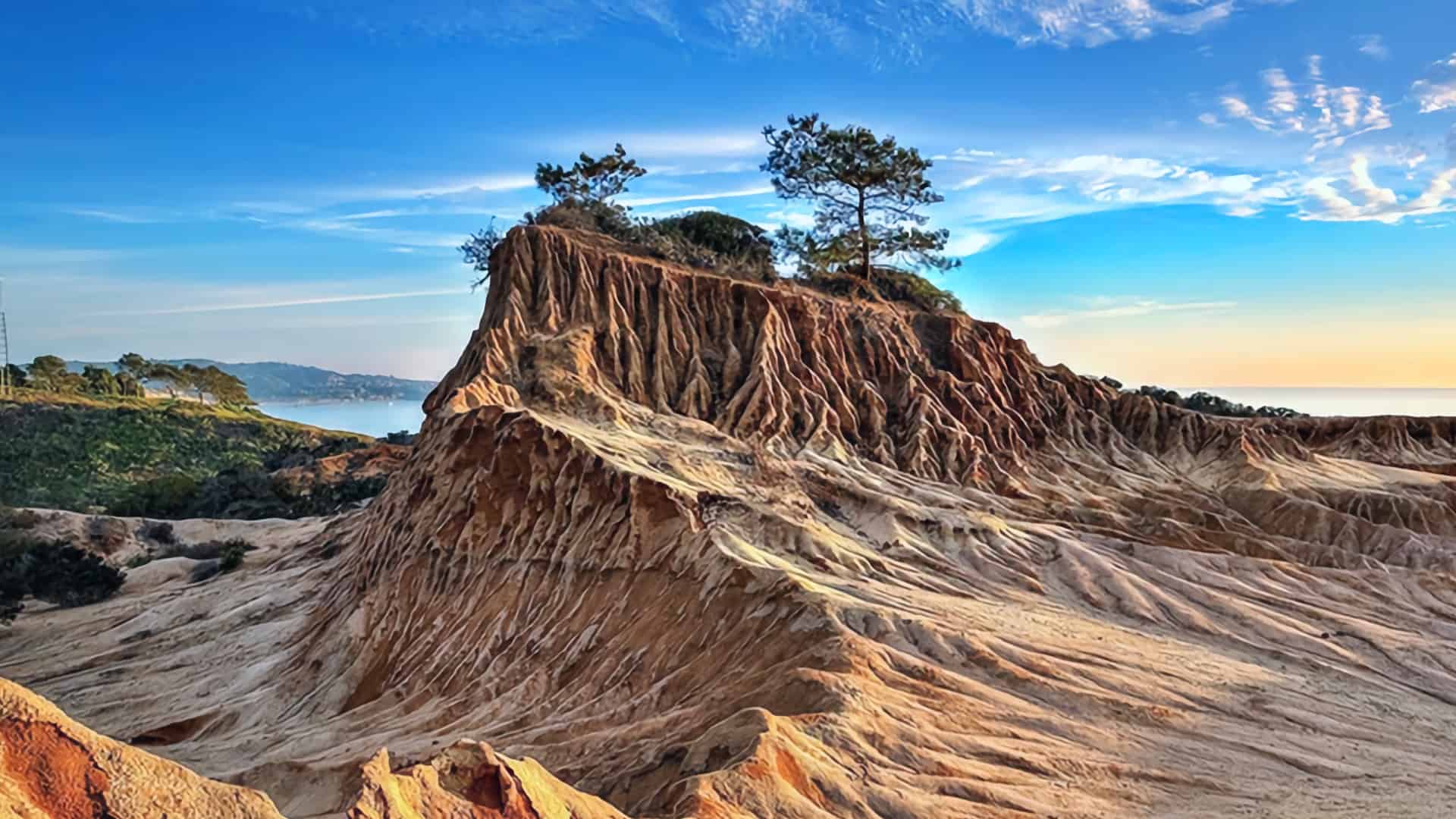
The Razor Point Trail offers a more rugged experience, leading you through wind-carved ravines and past dramatic sandstone cliffs. The trail ends at a viewpoint high above the ocean, where you can watch the waves crash against the rocks far below. The erosion patterns on the cliffs are especially striking after rain.
Beach Trail
For direct beach access, take the Beach Trail. It descends from the bluffs to the sand through a series of switchbacks and stairs. Along the way, you’ll see unique rock formations and get close to the reserve’s fragile geology. At the bottom, you can walk along the shore—just make sure to check tide times, as high tide can make the beach impassable in places.
Parry Grove Trail
The Parry Grove Trail is a peaceful loop that passes through some of the oldest pine groves in the reserve. It’s less crowded than the other main trails and is especially beautiful in early spring when wildflowers are in bloom. There’s a steep set of stone steps at the start, but the rest of the trail is gentle.
Broken Hill Trail
For those who want a longer hike, Broken Hill Trail is the reserve’s longest route. It winds through coastal sage scrub, passes several viewpoints, and eventually descends to the beach. This trail is less busy than others, so it’s a good choice if you want a quieter walk with plenty of time to take in the scenery.
Comparing Trail Experiences
Each trail in Torrey Pines offers something unique, so it helps to compare the main experiences side by side:
| Trail | Best For | Time Needed | Crowd Level |
|---|---|---|---|
| Guy Fleming | First-time visitors, families | 30–40 min | Low–Medium |
| Razor Point | Scenic views, geology | 45–60 min | Medium |
| Beach | Beach lovers | 30–50 min | High (near beach) |
| Parry Grove | Nature, solitude | 30 min | Low |
| Broken Hill | Longer hike, fewer people | 1.5–2 hrs | Low |

Credit: www.youtube.com
Planning Your Hike: Tips For Every Visitor
A great hike starts with good preparation. Consider these practical tips before you hit the trails:
- Arrive early: Parking lots fill up by 10 a.m. on weekends and holidays. Early morning also brings cooler temperatures and softer light for photos.
- Wear sturdy shoes: Trails are mostly dirt and sand, with some rocky sections. Flip-flops and sandals are not recommended.
- Bring water: There is no drinking water available on the trails. One liter per person is a good minimum, more on hot days.
- Use sun protection: There’s little shade. A hat, sunglasses, and sunscreen are essential.
- Pack out your trash: Help keep the reserve clean for everyone by carrying out everything you bring in.
- Respect wildlife: You may see lizards, rabbits, or even hawks. Observe from a distance and do not feed animals.
- Check tides: If you plan to walk along the beach, make sure you know when high tide comes in, as some sections become dangerous.
- Stay on trails: Off-trail walking damages rare plants and can cause erosion.
- No dogs or bikes: The reserve is a sensitive ecosystem with strict rules to protect it.
Non-obvious Insights For First-time Hikers
Many beginners overlook a few important details when planning their Torrey Pines hike:
- Microclimates change quickly. Even on warm days, fog can roll in from the ocean, making it chilly and damp. Bring a light jacket, especially in spring and fall.
- Cell phone service is limited. Don’t count on your GPS working everywhere. Download maps or take a photo of the trail map at the visitor center before you start.
- The Visitor Center offers free exhibits about the area’s geology, plants, and history. It’s a good place to learn before or after your hike, and volunteers often share tips on recent wildlife sightings.
When Is The Best Time To Visit?
Torrey Pines is a year-round destination, but each season has its highlights:
- Winter (Dec–Feb): Cooler weather, fewer crowds, excellent for whale watching.
- Spring (Mar–May): Wildflowers bloom, and the trails are green and colorful.
- Summer (Jun–Aug): Busy season. Mornings and late afternoons are best to avoid heat and crowds.
- Fall (Sep–Nov): Warm, clear days and smaller crowds—ideal for photography.
Avoid hiking during or right after heavy rain. Trails can become muddy, and some paths may close for safety.
Safety And Accessibility
While most trails are well-marked and maintained, they are not wheelchair accessible due to natural terrain. Guy Fleming Trail is the flattest and easiest but still has some uneven ground.
Bring a basic first aid kit and know your limits. If you’re not used to hiking, start with the shorter loops and take breaks. Cell service can be unreliable, so always let someone know your plans if hiking alone.
Credit: hikingguy.com
Torrey Pines Visitor Center And Facilities
The Torrey Pines Visitor Center is housed in a historic lodge near the top parking area. Inside, you’ll find maps, interpretive displays, and information about recent wildlife sightings. Knowledgeable volunteers answer questions and offer suggestions for the best trails based on current conditions.
Restrooms are located near the visitor center and at the beach parking areas. Remember, there are no food vendors inside the reserve. Carry snacks if you’ll be hiking for more than an hour.
Exploring The Beach Below The Cliffs
One of the highlights of hiking at Torrey Pines is the opportunity to explore the natural beach at the base of the cliffs. The Beach Trail and Broken Hill Trail both lead down to the sand. The beach is popular for walking, photography, and tide pooling during low tide. Swimming is allowed but be cautious there are strong currents and no lifeguards.
Cliff safety: Stay away from the base of the cliffs, as rock falls can happen, especially after rain. Always obey posted signs and warnings.

Credit: www.sandiego.org
Making The Most Of Your Visit
To get the full Torrey Pines experience, consider these insider suggestions:
- Sunset hikes: Arriving in late afternoon lets you enjoy cooler air and watch the sun dip into the ocean from one of the bluffs.
- Photography: Bring a telephoto lens if you want to capture wildlife. Early morning and golden hour offer the best light.
- Meet a ranger: Naturalist talks and guided walks are sometimes offered—check with the visitor center for schedules.
- Explore beyond the main reserve: The nearby Torrey Pines State Beach is great for picnics and surfing.
Where To Stay: Vanovy Comfort In San Diego
If you’re planning to explore Torrey Pines and the rest of San Diego, finding temporary accommodation is important. Hotels near the coast can be expensive, especially in summer. For budget, students, or families looking for mid-term rentals, Vanovy.com is a reliable resource.
At Vanovy, you can rent rooms, apartments, and spaces for flexible 1–12 month stays. The platform offers listings across San Diego, including locations close to Torrey Pines. This makes it easy to wake up early and hit the trails without a long drive.
Frequently Asked Questions
How Long Does It Take To Hike All The Main Trails At Torrey Pines?
If you plan to hike each main trail Guy Fleming, Razor Point, Beach, Parry Grove, and Broken Hill—in one visit, set aside about 3–4 hours. Most people combine two or three trails for a half-day outing. The reserve is not large, so connecting the trails is easy.
Are There Restrooms Or Water Fountains On The Trails?
Restrooms are available at the visitor center and beach parking areas, but there are no water fountains on the trails. Bring enough water for your entire hike, especially in warm weather.
Can I Bring My Dog Or Bike On The Trails?
Dogs and bikes are not allowed anywhere on the trails at Torrey Pines State Reserve. This rule protects the fragile ecosystem and wildlife. If you want to walk your dog, head to nearby Torrey Pines State Beach (on a leash).
What Should I Wear For A Hike At Torrey Pines?
Wear comfortable, closed-toe shoes with good grip, as trails have sandy and rocky sections. Dress in layers; mornings can be cool, but it warms up quickly. Bring a hat and sunscreen, as shade is limited.
Is There An Entrance Fee For Torrey Pines State Reserve?
There is no entrance fee for hikers or pedestrians, but parking in the official lots costs $10–$25 per vehicle, depending on the day and season. Arrive early to get a space.
Torrey Pines State Reserve is more than just a hike it’s a window into California’s natural beauty and a sanctuary for rare species. With careful planning and respect for the environment, every visitor can enjoy its stunning trails, dramatic cliffs, and peaceful pine groves.
And for a truly comfortable trip, remember to check out Vanovy for secure stays close to the reserve, so your San Diego adventure is as easy as possible.