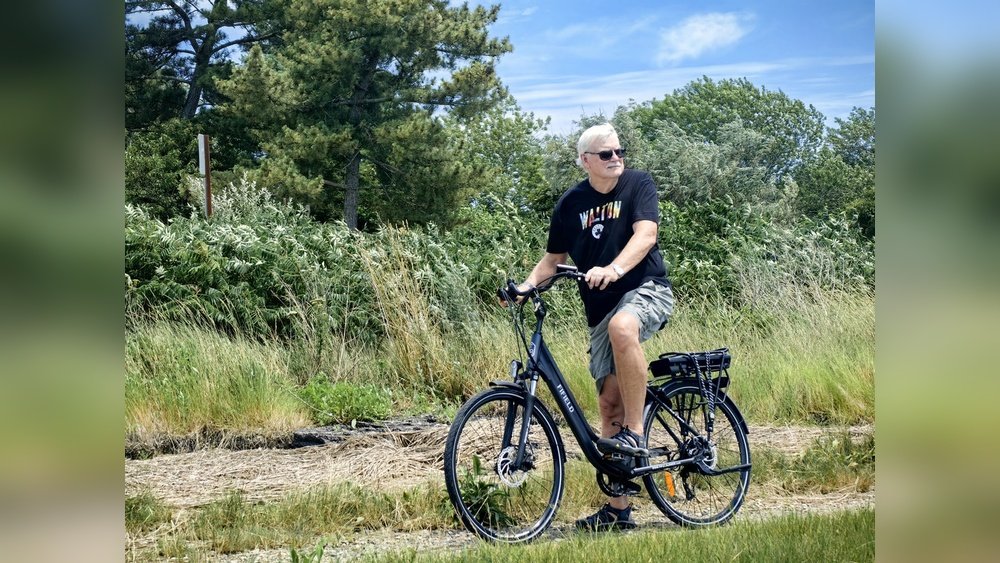
San Diego’s sunny weather, coastal views, and vibrant neighborhoods make it a top city for commuting by electric bike. But before you hit the roads or trails, it’s essential to understand the electric bike laws and discover the best bike paths for a safe, enjoyable ride. Whether you’re new to e-bikes or already a seasoned commuter, this guide breaks down everything you need—rules, routes, and practical tips—so you can ride smarter and stress-free.
Electric Bike Laws In San Diego
Riding an electric bike (e-bike) is not exactly the same as a regular bicycle. California has clear rules about what you can ride, where you can go, and how you must behave on the road. Knowing these laws not only keeps you legal but also protects you and others.
E-bike Classes Explained
California divides e-bikes into three classes:
| Class | Description | Max Speed | Throttle? | Age Limit | Helmet Required? |
|---|---|---|---|---|---|
| Class 1 | Pedal-assist only (motor works when you pedal) | 20 mph | No | No minimum | Under 18 |
| Class 2 | Throttle-assist (motor can work without pedaling) | 20 mph | Yes | No minimum | Under 18 |
| Class 3 | Pedal-assist only, faster motor | 28 mph | No | 16+ | Yes (all ages) |
Key point: Most e-bikes you see in San Diego are Class 1 or Class 2. Class 3 models are faster and have extra rules.
Where You Can Ride
San Diego follows California state law, but each city or park can add its own restrictions. Here’s what you need to know:
- Class 1 and 2 e-bikes: Allowed on bike paths, lanes, and multi-use trails unless a sign says “No e-bikes.”
- Class 3 e-bikes: Only allowed on roads, streets, and some bike lanes. Not allowed on most off-road trails or beach boardwalks.
- Sidewalks: E-bikes are generally not allowed on sidewalks in business districts or areas with heavy pedestrian traffic.
- Parks and Beaches: Always check for posted signs. Some areas like Balboa Park have specific restrictions.
Non-obvious insight: Even if a path looks empty, riding a Class 3 e-bike on it can get you fined if it’s not allowed. Always check the local rules before your first ride.
Helmet Rules
California law is clear about helmets:
- Under 18: Must wear a helmet on any e-bike.
- Class 3 e-bike (all ages): Helmet required.
- Adults on Class 1 or 2: Helmet not legally required, but recommended.
Age Limits And Licensing
- No driver’s license is needed for any class.
- Class 3: Riders must be at least 16 years old.
- No age limit for Class 1 or 2, but children under 16 should have adult supervision.
Night Riding And Equipment
If you ride at night or in low light, your e-bike must have:
- White front light (visible at least 300 feet)
- Red rear reflector or light
- Reflectors on pedals and wheels
Missing these can result in a ticket—even if you’re on a quiet side street.
Insurance And Registration
You do not need registration, insurance, or a license plate for any e-bike. However, if you add an aftermarket motor that makes your bike go faster than 28 mph, it may be considered a motorcycle under California law.
Best Bike Paths For Electric Commuters In San Diego
San Diego’s bike network is growing fast. Here are the most popular, safe, and scenic routes for e-bike commuters.
1. Mission Bay Bike Path
Mission Bay Bike Path is a 12-mile loop around Mission Bay, with smooth pavement, water views, and minimal traffic. It’s perfect for new riders and offers easy connections to Pacific Beach and Ocean Beach.
- Class 1 and 2 e-bikes are welcome.
- Avoid peak weekend hours for a faster commute.
2. Rose Canyon Bikeway
This route links University City to the coast. It’s about 7 miles one way and features a mix of paved path and protected bike lanes along Santa Fe Street. It’s great for commuters heading to UCSD or Sorrento Valley.
- Tip: Watch for rough patches near the railroad tracks.
3. Bayshore Bikeway
A favorite for longer rides, the Bayshore Bikeway stretches 24 miles from Downtown San Diego to Coronado and Imperial Beach. Most of the route is separated from car traffic, making it ideal for e-bikes.
- Scenic highlight: Take the ferry from Coronado back to downtown for a unique commute.
4. San Diego River Trail
Running parallel to the San Diego River, this path connects Ocean Beach, Mission Valley, and inland neighborhoods. It’s perfect for avoiding city streets during rush hour.
- E-bike rules: Allowed for Class 1 and 2; check signs near parks.
5. Pacific Beach Boardwalk
The boardwalk is popular but can be crowded. Early mornings or evenings are best for commuting. E-bikes are allowed at low speeds, but Class 3 e-bikes are not permitted.
- Insider tip: Expect extra pedestrians near Crystal Pier.
6. Kearny Villa Road Cycle Track
This newly upgraded cycle track runs from Aero Drive to Balboa Avenue. It’s a safe, protected corridor for commuters heading to Kearny Mesa business parks.
- Benefit: Dedicated bike signals for safer crossings.
7. Friars Road Bike Path
Friars Road connects Old Town with Mission Valley and Fashion Valley. The bike path is mostly flat and separated from car traffic, making it popular with all levels of riders.
- Caution: Be alert at driveway crossings.
8. Balboa Park Loops
Several bike-friendly roads and shared-use paths wind through Balboa Park. It’s a scenic way to cut across the city, especially for those working downtown or in Hillcrest.
- Rules: Some inner park paths prohibit e-bikes, so follow posted signs.
9. Sorrento Valley Cycletracks
These protected lanes serve tech and biotech commuters. They’re wide, well-maintained, and connect to the Rose Canyon Bikeway.
- Hidden gem: Sorrento Valley’s bike lockers near the Coaster station.
10. Harbor Drive Bikeway
This route runs along the San Diego Bay and connects the downtown waterfront to Barrio Logan and National City. It’s ideal for commuters who want ocean views and smooth pavement.
- E-bike access: All classes allowed except in pedestrian-only zones near the Convention Center.
11. Morena Boulevard Path
Morena Boulevard features a separated bike path connecting Bay Park to Old Town. It’s a flat, direct route that avoids much of the car traffic on nearby highways.
- Extra tip: Combine with the Mission Bay Bike Path for a longer, car-free commute.
12. Silver Strand Bikeway
If your commute involves Coronado, the Silver Strand Bikeway offers 9 miles of car-free, flat riding between Coronado and Imperial Beach.
- Scenery: Ocean on one side, bay on the other—perfect for a relaxing start or end to your workday.
13. University Avenue Bike Lanes
University Avenue runs through North Park, Hillcrest, and City Heights. Dedicated bike lanes and wide streets make this a popular commuter corridor.
- Safety note: Watch for car doors in business districts.
14. El Cajon Boulevard Bike Path
Recently expanded, El Cajon Boulevard features bike lanes connecting several neighborhoods. Traffic can be busy, but the lanes are clearly marked and well-maintained.
- E-bike use: All classes allowed, but Class 3 riders should stay alert during peak hours.
15. Morena St. To Tecolote Path
This short but useful path links the Morena area to Tecolote Canyon. It’s a great cut-through for local commuters.
- Advantage: Avoids a tricky intersection on the main road.
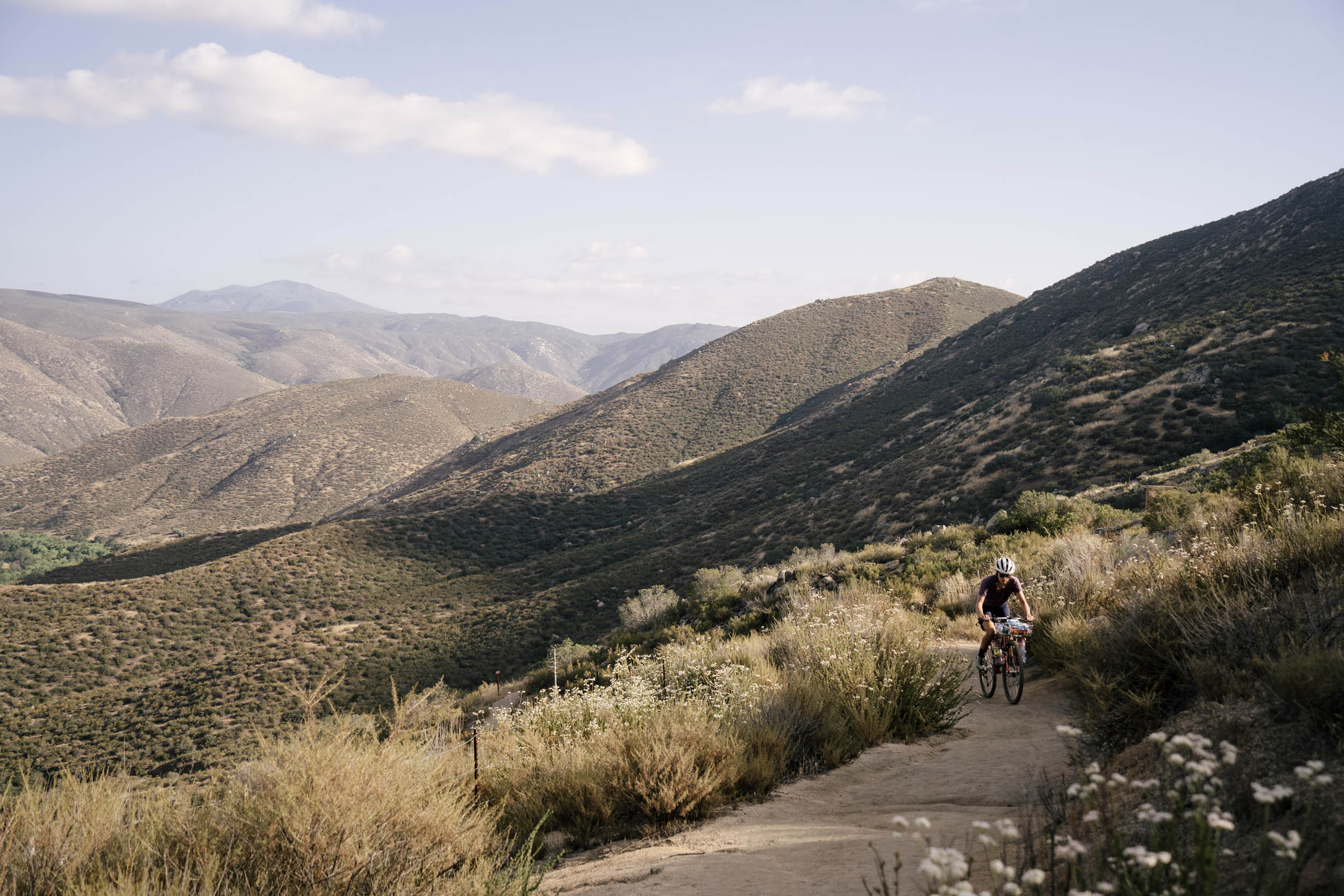
Credit: bikepacking.com
Comparing Bike Paths: Distance, Scenery, And E-bike Access
To help you choose the best route, here’s a side-by-side look at popular bike paths for commuters.
| Path Name | Distance (miles) | Scenery | E-Bike Access | Best For |
|---|---|---|---|---|
| Mission Bay Bike Path | 12 | Bay, parks | Class 1 & 2 | Beginners, leisure |
| Bayshore Bikeway | 24 | Bay, city | Class 1, 2 & 3 (parts) | Long commutes |
| San Diego River Trail | 20+ | River, city | Class 1 & 2 | Suburban commutes |
| Harbor Drive Bikeway | 6 | Bay, ships | Class 1, 2 & 3 (most) | Downtown access |
| Silver Strand Bikeway | 9 | Ocean, bay | Class 1 & 2 | Scenic commutes |
What Makes A Bike Path “best” For Commuting?
Not all bike paths are equal. When choosing your route, consider:
- Distance to workplace: Shorter is not always faster—some longer routes avoid traffic or have fewer stops.
- E-bike rules: Check if your bike class is allowed, especially for Class 3.
- Safety: Look for separated lanes, good lighting, and minimal car crossings.
- Surface quality: Smooth pavement is key for e-bikes. Watch for rough sections or construction.
- Connectivity: Can you easily connect to other paths or public transit?
- Crowds: Some scenic routes are crowded during weekends but quiet during weekday mornings.
Non-obvious tip: If you’re riding daily, test your route at the same time you plan to commute. Traffic and path conditions can change during rush hour.
Common Mistakes To Avoid When Commuting By E-bike
- Ignoring local signs: Many paths have e-bike-specific restrictions that change often.
- Riding too fast on shared paths: Even if your bike can go 28 mph, slow down near pedestrians and crowded areas.
- Skipping helmet use: Even if not required by law, a helmet can save your life.
- Not maintaining your e-bike: Check your brakes and tires regularly. E-bikes are heavier than regular bikes and need more stopping power.
- Overestimating battery life: Hilly routes and stop-and-go traffic drain batteries faster. Always start with a full charge and know where you can recharge if needed.
- Not locking your e-bike: E-bikes are high-theft targets. Use a sturdy U-lock, especially in busy commuter areas.
Where To Store Your E-Bike Or Find Vanovy Housing Near Bike Paths

Credit: leoguarbikes.com
Frequently Asked Questions
What Is The Penalty For Breaking E-bike Laws In San Diego?
Fines can range from $100 to $250, depending on the violation. Common offenses include riding in restricted areas, not wearing a helmet (if required), or using an e-bike not allowed on a certain path.
Can I Take My E-bike On Public Transportation In San Diego?
Yes, most buses and the San Diego Trolley allow standard bikes and e-bikes, but check size and battery restrictions. Heavier or oversized e-bikes may not fit on all racks.
Do I Need Special Insurance For My E-bike?
No, insurance is not required by California law for e-bikes. However, you may want to consider personal insurance for theft or damage.
Are There Any Special Rules For E-bikes In Balboa Park?
Yes, some inner park roads and trails restrict all e-bikes, especially Class 3. Always look for posted signs and follow park guidelines.
Where Can I Learn More About California E-bike Laws?
For reliable information, you can consult the California DMV and local government websites, as well as organizations like the California Bicycle Coalition for official guidance.