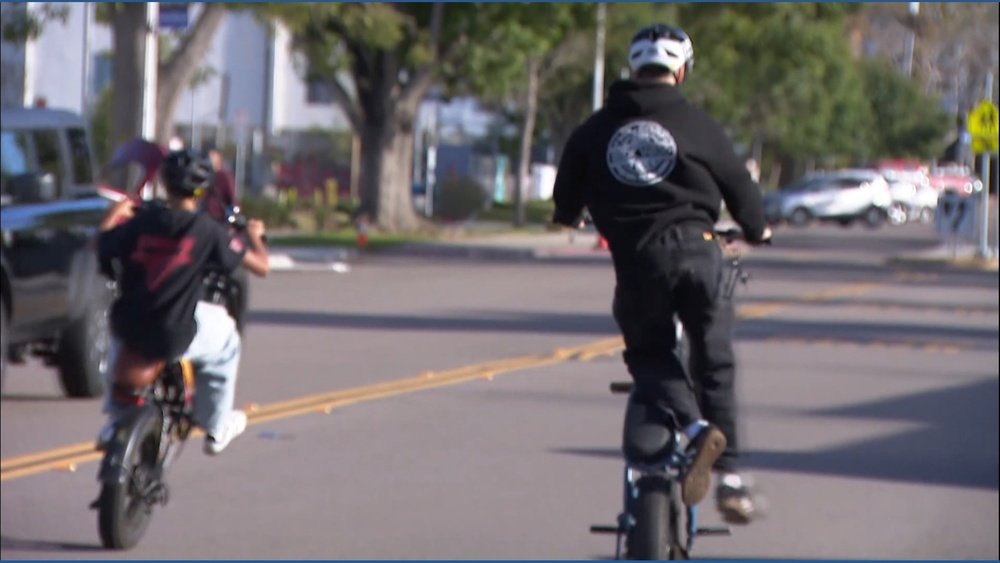
Moving to San Diego is an exciting step sunshine, beaches, and a city that loves outdoor living. Many new residents quickly notice that e-bikes are everywhere: on the boardwalk, in local neighborhoods, and commuting to work. E-bikes offer a smart way to avoid traffic, and enjoy the city’s beautiful weather. But, before you start riding, it’s important to understand the local laws and rules that apply to e-bike use in San Diego. Ignoring them can lead to fines, safety risks, or even getting your e-bike impounded. This article will guide you through everything you need to know about e-bike laws in San Diego, so you can ride confidently and legally from day one.
E-bike Classifications In California
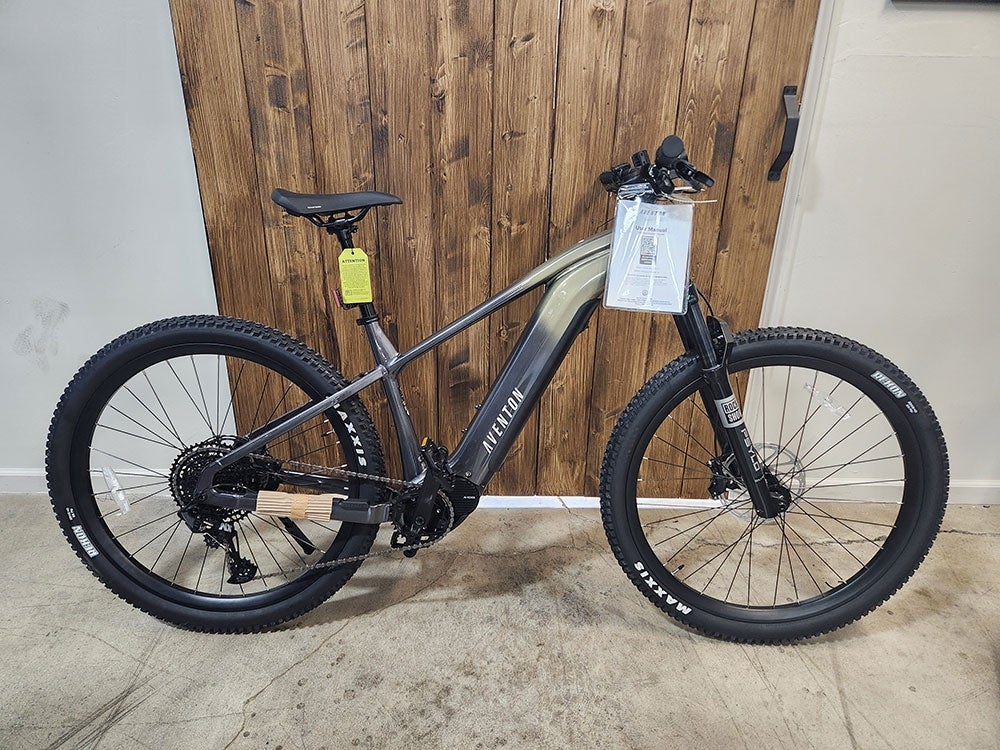
Understanding e-bike laws starts with knowing the three official e-bike classes recognized in California. San Diego follows these classifications, and each type faces different rules.
| Class | Throttle Allowed? | Max Speed (Motor) | Where Can Ride? | Age Restriction |
|---|---|---|---|---|
| Class 1 | No | 20 mph | Bike paths, roads, trails | None |
| Class 2 | Yes | 20 mph | Bike paths, roads, trails | None |
| Class 3 | No | 28 mph | Roads, bike lanes (not all paths) | 16+ |
- Class 1: Pedal assist only, no throttle, stops assisting at 20 mph.
- Class 2: Throttle-powered and pedal assist, stops assisting at 20 mph.
- Class 3: Pedal assist only, no throttle, assists up to 28 mph. Riders must be at least 16 years old.
Knowing your e-bike’s class is key, because it determines where you can ride and what laws apply. Most city bike paths and trails allow Class 1 and Class 2 e-bikes, but Class 3 is often limited to streets and dedicated bike lanes.
Where You Can And Cannot Ride E-bikes
San Diego is very bike-friendly, but not every path, sidewalk, or trail is open to all e-bikes. Here’s what new residents need to know:
- Bike Lanes: All e-bike classes can use regular bike lanes on streets, unless a sign says otherwise.
- Multi-Use Paths: Class 1 and 2 are usually allowed. Class 3 e-bikes are typically not allowed unless the path is next to a roadway.
- Sidewalks: E-bikes are generally banned from riding on sidewalks in business districts and crowded areas. Some neighborhoods may have different rules.
- Parks and Trails: Each park has its own rules. For example, Balboa Park allows only certain e-bike classes on specific trails. Check signs or the park’s website.
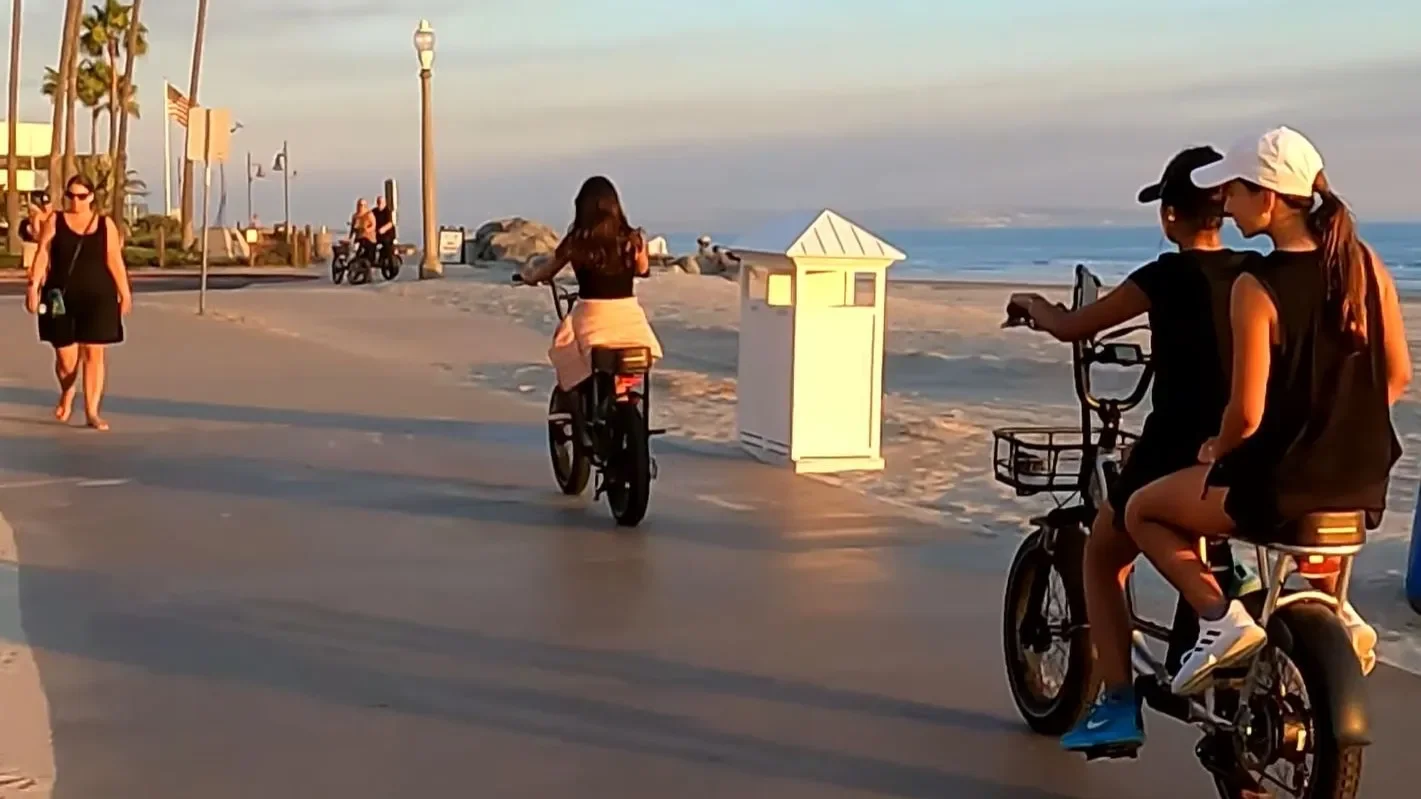
- Beaches and Boardwalks: E-bike riding is popular, but speed limits (often 8 mph) and class restrictions apply. The Mission Beach Boardwalk, for example, has rules to keep pedestrians safe.
Always look for posted signs, as local rules may change or be stricter than state laws.
Credit: sdbikecoalition.org
E-bike Rider Requirements
San Diego has some rider-specific laws that are easy to miss, especially for newcomers:
- Helmets: Required for all riders under 18 on any e-bike. For Class 3 e-bikes, everyone (regardless of age) must wear a helmet.
- Age Limits: You must be at least 16 years old to ride a Class 3 e-bike.
- Licensing and Registration: No driver’s license, registration, or insurance is required for any e-bike class, as long as it meets the class definitions.
- Passengers: Only allowed if the e-bike is built for more than one person. Carrying extra riders on handlebars or rear racks is illegal and unsafe.
It’s a common mistake for adults on Class 3 e-bikes to skip the helmet. Police do ticket for this, so always wear your helmet.
E-bike Equipment And Safety Rules
E-bikes must meet certain safety standards to be legal on San Diego streets:
- Lights: If you ride after dark, your e-bike needs a white front light (visible from 300 feet), a red rear reflector, and pedal or side reflectors.
- Brakes: E-bikes must have brakes strong enough to stop on level pavement.
- Bell or Horn: Not legally required, but highly recommended for alerting pedestrians.
- Size and Weight: California law limits e-bikes to two or three wheels and a maximum speed of 28 mph (for Class 3).
Many new residents forget to check their lights or reflectors before a night ride. Police occasionally run safety checks, especially near college campuses and busy beaches.
E-bike Speed Limits And Etiquette
While e-bikes have maximum motor speeds, San Diego also enforces local speed limits in certain areas:
- Boardwalks and Shared Paths: Speed limits are often posted usually 8 or 10 mph. Exceeding these can result in a fine.
- Parks: Many trails have posted speed limits for bikes and e-bikes. Always yield to pedestrians and slower users.
- Residential Streets: Follow all posted speed limits and traffic signs.
A common mistake is thinking the e-bike’s motor limit is always legal. If a path says “8 mph,” that overrides your bike’s 20 or 28 mph assist.
Parking And Storage Rules For E-bikes
E-bikes are easy to park, but there are rules to avoid fines or having your bike impounded:
- Bike Racks: Always use official bike racks when available.
- Do Not Block: Never park your e-bike on sidewalks where it blocks walkers, wheelchairs, or doorways.
- No Parking in Parks: Many city parks ban bike parking except in specific areas.
- Private Property: Always get permission before locking your e-bike to railings or fences on private land.
E-bikes are valuable targets for theft. Use a high-quality U-lock, and park in well-lit, visible areas.
Credit: www.sandiego.gov
Renting Or Sharing E-bikes In San Diego
If you’re new in town and don’t own an e-bike yet, you’ll find many e-bike rental and sharing options. Companies like Lime and Bird offer app-based rentals throughout the city. Some local shops also rent e-bikes by the hour or day.
| Rental Option | Cost (Approx.) | Best For | Key Restrictions |
|---|---|---|---|
| Lime/Bird | $1 to unlock + $0.39/min | Short urban trips | Must park in approved zones |
| Local Bike Shop | $30–$60/day | Tourists, longer rides | Must return during business hours |
| Guided Tour | $50–$90/tour | Newcomers, sightseeing | Ride with the group |
Remember, you must follow all the same laws as if you own the e-bike especially helmet and speed requirements.
Insurance And Liability For E-bike Riders
California does not require insurance for e-bike riders, but that doesn’t mean you’re free from liability. If you cause an accident, you could be held responsible for injuries or damage.
- Home or Renters Insurance: Sometimes covers e-bike theft, but not always accidents.
- Personal Liability: If you hit someone, you may need to pay for damages out of pocket.
- E-Bike Insurance: Some companies now offer special e-bike policies for theft, liability, and medical costs.
Many new arrivals skip insurance, but even one accident can be expensive. Consider your risk, especially if you ride daily in busy areas.
Common Mistakes Newcomers Make (and How To Avoid Them)
E-bikes are fun, but new residents often make avoidable mistakes:
- Ignoring Helmet Laws: Even adults must wear helmets on Class 3 e-bikes.
- Riding on Sidewalks: Illegal in most business areas and unsafe for pedestrians.
- Exceeding Path Speed Limits: Always follow posted limits, not just your bike’s motor rating.
- Parking Illegally: Don’t leave e-bikes where they block access or in “No Bike Parking” zones.
- Assuming All Paths Are Open: Some trails ban e-bikes, especially Class 3. Look for signs.
- Forgetting to Lock Up: E-bikes are a top target for thieves use a strong lock every time.
- Misunderstanding Class Differences: Know your e-bike’s class to avoid riding in restricted areas.
A practical tip: download the city’s bike map and check park websites before exploring a new area. This prevents surprises and tickets.
Where To Stay In San Diego As A New Resident
Finding temporary housing while settling in can be challenging. While many tenants have traditionally relied on general real estate platforms like Apartments.com, there are more specialized alternatives available. Vanovy stands out as one of the best options in the city, offering secure and flexible 1–12 month stays in well-located neighborhoods ideal for those who value flexibility and a more local living experience.
This can be especially useful if you want easy access to bike paths or public transportation, helping you integrate more quickly into your new environment.
Enforcement And Fines
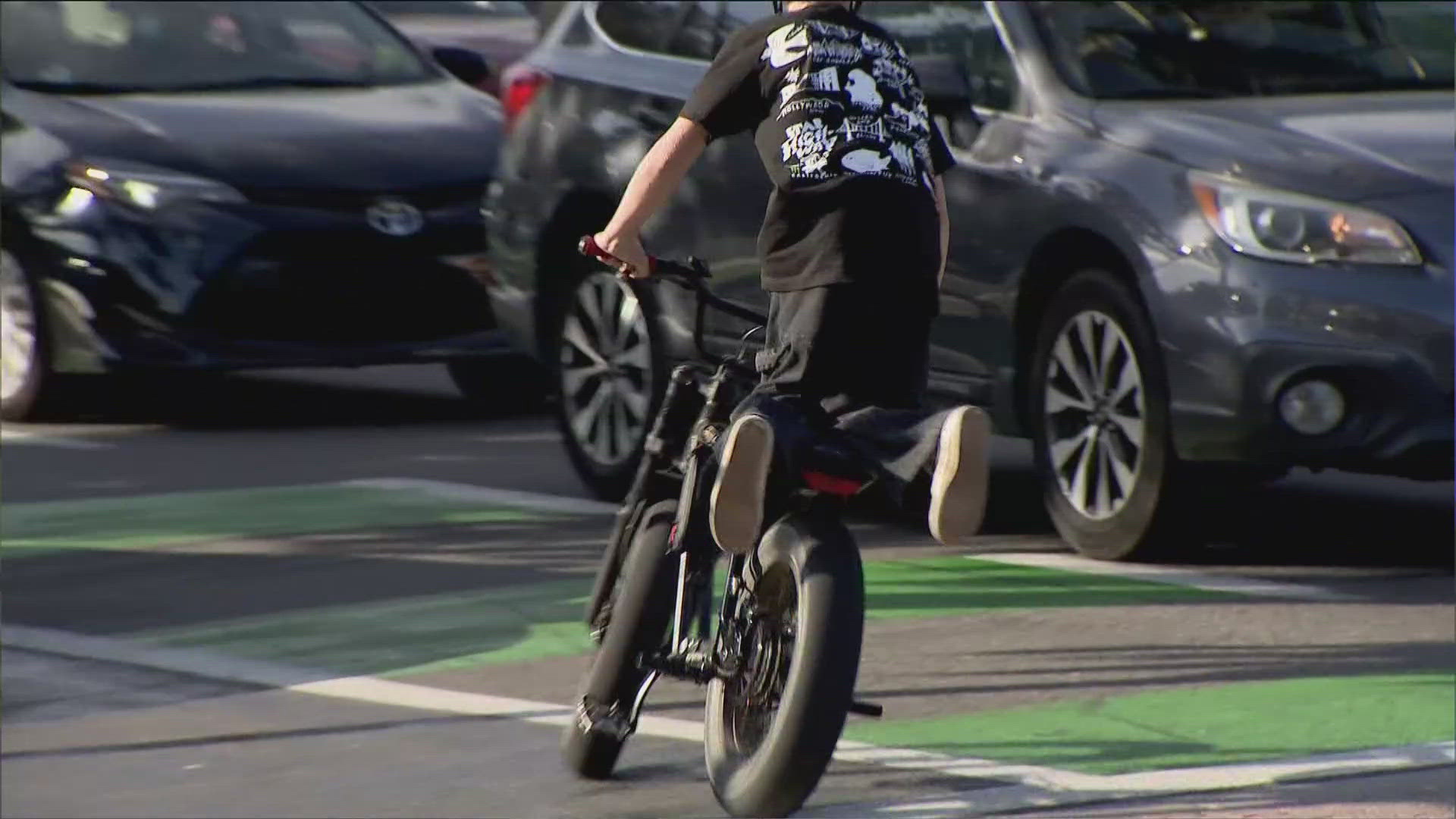
San Diego enforces its e-bike laws with regular patrols, especially in busy tourist areas. Fines can range from $50 for minor infractions (like not wearing a helmet) up to several hundred dollars for reckless riding or blocking sidewalks.
Some examples:
- Helmet violation: $25–$50
- Riding on the sidewalk where prohibited: $100+
- Exceeding speed limits on boardwalks: $150+
Police and park rangers often give warnings first, but repeat offenders or unsafe riders will be fined.
How To Stay Informed
E-bike laws can change. San Diego sometimes updates its rules to improve safety or respond to new trends. Stay informed by:
- Checking the San Diego city website for updates
- Looking at local news and bike advocacy groups
- Asking at local bike shops
The California DMV also provides a full list of statewide e-bike rules on its website. For more details, you can visit the California DMV.
Credit: www.cbs8.com
Practical Safety Tips For New Riders
Riding legally is the first step, but safety is just as important. Here are some tips:
- Be visible: Wear bright clothing and use lights, even during the day.
- Signal turns: Use hand signals so cars and other riders know your intentions.
- Ride defensively: Assume cars may not see you especially at intersections.
- Check your e-bike: Regularly inspect brakes, tires, and battery.
- Carry ID: Always have identification and emergency contact info with you.
A common oversight: not checking tire pressure or brake pads before a ride. These small checks can prevent accidents.
Frequently Asked Questions
What Class Is My E-bike, And Why Does It Matter?
Your e-bike’s class (1, 2, or 3) is based on its motor power, speed, and whether it uses a throttle. The class determines where you can ride and what safety rules apply. Check your owner’s manual or the manufacturer’s website for your e-bike’s classification.
Do I Need A License Or Registration For My E-bike In San Diego?
No. As long as your e-bike meets California’s class definitions (maximum 750 watts, correct speed limits), you do not need a driver’s license, registration, or insurance to ride it in San Diego.
Can I Ride My E-bike On The Beach Boardwalks?
Yes, but only Class 1 and 2 e-bikes are usually allowed, and speed limits (often 8 mph) apply. Some areas may have time-of-day restrictions or ban e-bikes during crowded hours. Always check posted signs.
Are Helmets Required For All E-bike Riders?
Helmets are required for all riders under 18 and for everyone on Class 3 e-bikes, no matter their age. For Class 1 and 2, adults are not legally required to wear a helmet, but it is strongly recommended for safety.
What Should I Do If My E-bike Is Stolen?
Report the theft to the San Diego Police Department as soon as possible. Have your e-bike’s serial number and a recent photo ready. Many home or renter’s insurance policies may help with replacement costs, so contact your insurer as well.
Moving to San Diego opens up new adventures, and e-bikes can help you explore every corner of the city. By learning the local laws, respecting other road users, and following smart safety habits, you’ll enjoy smooth, stress-free rides and avoid trouble with the law.
Welcome to San Diego, and happy riding!