Flexible rental pricing in San Diego is becoming more common in 2026 under the model of Flexible Rental Prices San Diego. Rental demand is no longer limited to yearly contracts. Tenants now prefer medium-term stays between 3–12 months. Landlords are adjusting pricing models to match this change.
Instead of fixed long-term rent, Flexible Rental Prices San Diego adjust based on stay duration, demand, season, and tenant type. This system is widely used in furnished and medium-term housing because it gives both landlords and tenants more control.

The main idea is simple: the longer you stay, the lower your monthly rate becomes. Shorter stays cost more per month because they include higher turnover and management costs.
Duration-based pricing model
The most common system in flexible rentals is duration-based pricing. This means rent is calculated based on how long a tenant stays instead of a fixed yearly contract. Short stays usually have higher monthly rates, while long stays have discounted rates. This model works well for digital nomads, students, and temporary workers who stay for different time periods.
Typical structure includes:
- 1–3 month stays: higher monthly rate
- 3–6 month stays: moderate pricing
- 6–12 month stays: discounted monthly rate
- Long extensions: further discounts
This structure helps landlords reduce vacancy while keeping pricing fair for different tenants.
Exact-duration pricing system
Flexible rentals often use exact-duration pricing instead of rounding stays into full months in Flexible Rental Prices San Diego. As a result, tenants pay only for the exact time they stay. This system is more fair and transparent for medium-term renters.
For example:
- 6 months + 15 days stay is charged precisely
- 9 months + 15 days is priced as full duration only
- No forced rounding to extra full months
This approach improves trust and reduces pricing confusion for tenants.
Key benefits include:
- Fair billing system
- Transparent pricing structure
- No unnecessary extra charges
- Better tenant satisfaction
Seasonal pricing adjustments
Rental prices in San Diego change depending on demand and season. Flexible pricing systems often adjust rates automatically based on market conditions. High-demand months usually cost more, while low-demand periods offer discounts. This helps balance occupancy throughout the year.
Common seasonal patterns include:
- Summer: higher demand and higher prices
- Winter: lower demand and discounts
- Holiday periods: premium pricing
- Off-season months: flexible deals
Seasonal pricing helps landlords maximize revenue while keeping properties occupied.
Discount structure for longer stays
One of the main features of flexible pricing is long-stay discounts. Tenants who commit to longer stays receive lower monthly rates. This encourages stability and helps Flexible Rental Prices San Diego reduce vacancy periods.
Discount structure examples:
- 3 months stay: standard rate
- 6 months stay: reduced rate
- 9–12 months stay: maximum discount
Benefits of long-stay discounts:
- Higher occupancy rates
- Fewer tenant turnovers
- Stable monthly income
- Reduced management effort
This system is especially useful for medium-term rental markets.
Furnished rental pricing logic
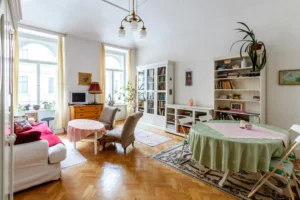
Most flexible rentals in San Diego are fully furnished. This also affects pricing because furniture, utilities, and maintenance are included in the rent. Tenants pay slightly more than empty apartments, but they save on setup costs.
Furnished pricing usually includes:
- Furniture and appliances
- Internet and utilities
- Maintenance support
- Ready-to-move setup
This makes pricing easier to understand for tenants and simplifies budgeting.
Demand-based pricing system
Flexible rental prices also change based on demand. If a property is highly requested, the price may increase. If demand is lower, landlords may reduce prices to attract tenants faster. This system helps maintain steady occupancy.
Demand-based pricing depends on:
- Location popularity
- Property quality
- Seasonal demand
- Local events or tourism
- Tenant competition
This ensures prices stay aligned with real market conditions.
Platform-based automated pricing systems
Many modern rental platforms use automated pricing systems. These systems adjust rent automatically based on demand, duration, and market data. This reduces manual effort for landlords and improves efficiency.
Automation benefits include:
- Real-time price updates
- Market-based adjustments
- Reduced vacancy risk
- Faster booking decisions
This system is becoming standard in medium-term rental platforms.
Transparent pricing for tenants
Transparency is an important part of Flexible Rental Prices San Diego. Tenants want to clearly understand what they are paying for before booking. Hidden fees or unclear pricing reduce trust and slow down bookings.
Transparent pricing includes:
- Monthly rent clearly listed
- Utilities included or excluded shown
- No hidden charges
- Clear duration-based rates
- Simple booking breakdown
This increases confidence and improves conversion rates.
Why flexible pricing is growing
Flexible pricing is growing because modern renters prefer adaptable housing systems. Many people no longer want fixed contracts that do not match their lifestyle. Medium-term renters value freedom and clarity.
Main reasons for growth include:
- Rise of remote work
- Increase in digital nomads
- Short-term job contracts
- Student mobility
- High housing costs
These factors are reshaping rental markets across San Diego.
Final Verdict
Flexible rental pricing in San Diego is designed to match modern housing demand. Instead of fixed yearly rent, it uses duration-based, seasonal, and demand-driven systems under Flexible Rental Prices San Diego.
This approach benefits both landlords and tenants by improving occupancy, reducing vacancy, and offering more transparent pricing. As medium-term rentals continue to grow, Flexible Rental Prices San Diego will become a standard model in the housing market.
Final Thoughts
The rental market in San Diego is shifting toward flexibility and digital systems. Tenants now expect simple pricing, furnished homes, and adjustable stay durations.
Flexible pricing helps bridge the gap between short-term and long-term housing needs. It supports students, digital nomads, and temporary workers who prefer mobility over fixed contracts. This system is expected to become even more important as remote work and global mobility continue to grow.
FAQs
-
What is flexible rental pricing?
It is a pricing system where rent changes based on stay duration and demand.
-
Is longer stay cheaper in San Diego?
Yes, longer stays usually get lower monthly rates.
-
Do flexible rentals include utilities?
Most furnished rentals include utilities in the price.
-
Why is exact-duration pricing used?
To make billing fair and transparent for tenants.
-
Are flexible rentals better than fixed leases?
They are better for short and medium-term stays due to flexibility.
-
Do prices change seasonally?
Yes, prices often increase in high-demand seasons and decrease in low-demand periods.