Relocating to San Diego is a significant decision for many people around the world. The city has become one of the most attractive destinations in the United States due to its coastal environment, strong economy, universities, healthcare sector, and growing tech ecosystem.
Every year, thousands of people move here for different reasons. Some come for education. Some for work opportunities. Some are for remote lifestyle flexibility. Others come temporarily for training programs, research, or family-related transitions. But even though San Diego is attractive, housing is one of the biggest challenges during relocation.
Most people do not want to immediately commit to a long-term lease. They need time to understand the city first. They want to explore neighborhoods, understand transport routes, evaluate costs, and settle into their routines. At the same time, short-term rentals are not a practical solution for longer stays. These rentals are built for tourism. They are priced per night or per week. When used for multiple months, they become extremely expensive and inefficient.
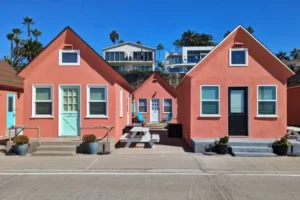
This creates a clear structural gap in the housing market. There is strong and growing demand for 1–12 month temporary housing that is furnished, flexible. This type of housing is no longer optional. It is becoming a core requirement for modern relocation. In recent years, this demand has increased further due to remote work culture, global mobility, and short-term international assignments. People are no longer staying in one city for decades, and housing systems are slowly adapting to this shift.
The Reality of Searching for Temporary Housing in San Diego
Most renters begin their search on major real estate platforms such as Zillow, Realtor.com, Redfin, and Apartments.com. These platforms dominate the US housing market. They provide thousands of listings across San Diego and cover almost every residential area. However, their system is still based on traditional housing models. Most listings assume long-term contracts.
A 12-month lease is considered standard. Even when furnished apartments exist, they are not always clearly structured for mid-term stays. This creates confusion for renters who are looking for 1–12 month flexibility. The search process often becomes complicated. Renters need to manually filter listings. They need to send multiple inquiries. They often wait days for responses.
In many cases, landlords are not open to flexible durations at all. This leads to delays, frustration, and uncertainty during relocation. For someone moving from another city or country, this process can feel overwhelming. Another major issue is inconsistent availability. A listing may appear suitable, but when contacted, it may no longer support shorter lease durations. This makes the entire process inefficient and time-consuming.
Why San Diego Has Strong Demand but Limited Flexibility
San Diego is one of the most desirable cities in California. It combines coastal living with economic opportunity. It has strong industries in healthcare, biotech, education, military services, and technology. It also has institutions like UC San Diego that attract students and researchers globally. Because of this, housing demand is always high. But supply does not match flexibility.
Landlords prefer long-term tenants because it reduces risk and ensures stable monthly income. This is why most properties are designed for 12-month or longer leases. Short-term rentals exist, but they are primarily focused on tourism and vacation stays. These properties are usually priced at premium nightly rates. While they offer flexibility, they are not financially practical for longer stays. So the market becomes divided: Long-term rentals are stable but rigid.
Short-term rentals are flexible but expensive. Between these two systems, there is a missing middle category. That missing category is midterm housing for 1–12 months. This gap continues to grow as more people move temporarily for work, study, or lifestyle reasons, yet housing systems remain largely unchanged.
Who Needs 1–12 Month Housing in San Diego?
Mid-term housing is used by many different groups of people. Their reasons for staying in San Diego vary widely, but their needs are surprisingly similar. Expatriates often arrive for international work assignments. They need temporary housing while they adjust to a new country, workplace, and environment. Corporate employees may be sent for project-based work or training programs that last a few months.
Students attending UC San Diego or other institutions often require housing that matches semester-based timelines rather than annual contracts. Digital nomads prefer flexible housing while working remotely. They often move between cities every few months and need stable yet temporary accommodation. Families may relocate temporarily due to job transfers, home renovations, or life transitions.
Healthcare professionals, interns, and researchers also frequently require short-term housing depending on project duration. Although these groups are different, they all share the same requirements: furnished spaces, flexible lease terms, reliable internet and pricing without long-term commitments.
In many cases, these renters also prioritize location flexibility, since they are still exploring which neighborhoods best suit their lifestyle or work needs.
Solution: A Smarter Way to Rent for Mid-Term Stays
Vanovy is a marketplace built specifically for 1–12 month rentals. The platform connects tenants with fully furnished apartments, private rooms, and shared housing options. Every listing is designed for move-in readiness. This means users do not need to buy furniture or handle setup delays.
Instead of searching across multiple websites and filtering irrelevant listings, users can find everything in one structured system. This reduces stress and simplifies relocation. Vanovy is built for a world where mobility is increasing. People are no longer staying in one place for years. They move based on opportunities, projects, and lifestyle preferences. The platform also helps standardize midterm rentals, making them easier to compare and access.
Platform Features That Simplify Renting
Vanovy includes several systems designed to simplify the rental process.
Payments are fully automated and handled monthly. This removes manual coordination and reduces errors or delays. A built-in messaging system allows tenants and hosts to communicate directly. The platform also includes a secure payment protection system.
The first payment is held and only released after successful check-in confirmation. In addition, hosts can promote their listings through Vanovy social media channels, increasing visibility for properties that offer better deals or discounts. This creates additional incentives for hosts to offer more competitive pricing.
Key platform advantages:
- Fully automated monthly payments
- Direct communication between tenants and hosts
- Secure payment protection system
- No commission for tenants
- Flexible 1–12 month rental options
- Furnished apartments, rooms, and shared housing
- Social media promotion for listings
- Focus on temporary rentals only (not generic listings)
How It Compares to Other Options
Traditional housing platforms are not optimized for mid-term stays. Short-term platforms like Airbnb focus on vacation rentals. Long-term platforms such as Zillow, Realtor.com, Redfin, and Apartments.com are designed for annual leases. Because of this, renters often need to combine multiple platforms during their search.
This increases time, confusion, and effort. Vanovy solves this problem by focusing only on 1 to 12 month rentals, removing irrelevant listings and creating a focused marketplace experience. This specialization makes it easier for users to quickly identify suitable housing without filtering through thousands of unrelated options.
The Growing Importance of Mid-Term Housing
Mid-term housing is becoming more important every year due to global lifestyle changes. Remote work has changed how people live. Many professionals now move between cities based on projects or opportunities. Students participate in exchange programs and internships.
Companies increasingly hire contract workers instead of permanent employees. Families also move temporarily during life transitions. All of these changes are increasing demand for flexible housing systems in cities like San Diego. As this trend continues, mid-term rentals are expected to become a standard housing category rather than a niche option.
Conclusion
Finding 1–12 month temporary housing in San Diego remains challenging because most platforms are designed for either short-term tourism or long-term leases. This leaves a significant gap in the middle of the market. Vanovy fills this gap by offering a structured marketplace for mid-term rentals. It provides furnished, flexible housing designed specifically for relocation and temporary living. As global mobility continues to grow, mid-term housing will become a standard need in cities like San Diego.
CTA
If you are planning relocation and need 1 to 12 months of temporary housing in San Diego, Vanovy provides a simple and reliable solution. You can find furnished apartments, private rooms, and shared housing without long-term commitments. Explore listings and choose a home that matches your budget, timeline, and lifestyle.