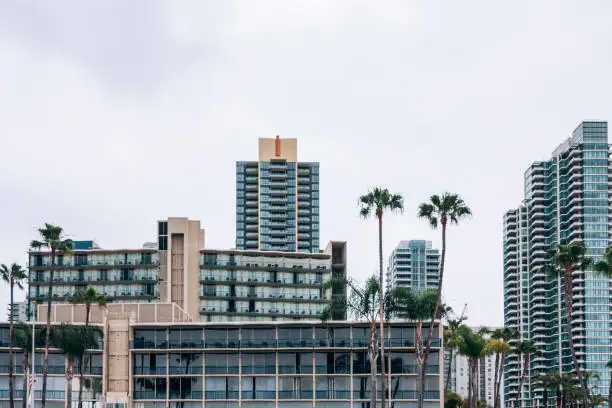
The rental market in San Diego is changing quickly in 2026. More landlords are now comparing medium-term rentals with traditional long-term leases to see which option works better financially and operationally.
Medium-term rentals usually last between 3–12 months, while traditional leases often require yearly contracts. As remote work, flexible lifestyles, and temporary relocation continue growing, medium-term housing is becoming more popular among students. Digital nomads, remote workers, and temporary professionals.
Many landlords are moving toward medium-term rentals because they provide more flexibility, better occupancy opportunities, and higher monthly income potential compared to traditional long-term leasing systems.
At the same time, long-term leases still offer stability and predictable occupancy. Because of this, the better option depends on the landlord’s goals, property type, and management style. Understanding the differences between these two rental models helps landlords make smarter decisions in the modern San Diego housing market.
Medium-term rentals offer more flexibility
One of the biggest advantages of medium-term rentals is flexibility. Traditional yearly leases usually lock both landlords and tenants into fixed agreements for long periods.
Medium-term rentals allow landlords to adjust pricing, availability, and property usage more frequently. This creates more adaptability in changing market conditions. Flexibility is especially valuable in cities like San Diego, where housing demand changes throughout the year.
Medium-term flexibility benefits include:
- Adjustable rental durations
- Flexible move-in dates
- Easier pricing updates
- Better availability management
- More adaptable occupancy planning
This model works well for modern renters who prefer mobility and flexible living arrangements.
Medium-term rentals often generate higher monthly income
Many landlords choose medium-term rentals because they can generate more income per month compared to traditional long-term leases. Since medium-term properties are usually furnished and more flexible, tenants are often willing to pay higher monthly rates for convenience and ready-to-move-in housing.
This is especially common among:
- Digital nomads
- Remote workers
- International students
- Temporary employees
Higher income potential can improve overall property profitability over time.
Important financial advantages include:
- Higher monthly pricing
- Furnished rental premiums
- Flexible pricing opportunities
- Seasonal pricing adjustments
- Better income optimization
Well-managed medium-term rentals can outperform traditional leases financially in strong markets.
Long-term leases provide more stability
Traditional long-term leases still offer important advantages, especially for landlords who prefer stable and predictable occupancy. Yearly contracts reduce tenant turnover and create more consistent monthly income without frequent booking management. This model usually requires less operational involvement compared to medium-term rentals.
Long-term lease benefits include:
- Stable occupancy
- Predictable income
- Lower turnover rates
- Fewer booking tasks
- Less frequent cleaning and preparation
For landlords who want a more passive system, long-term leases may feel simpler to manage.
Medium-term rentals attract modern renter demand
The demand for medium-term rentals is growing rapidly because renter lifestyles are changing. Many people no longer want fixed yearly contracts due to remote work and flexible careers. Modern renters often need housing for temporary relocation periods instead of permanent living situations.
Common medium-term renters include:
- Students
- Remote workers
- Digital nomads
- Medical professionals
- Corporate employees on assignment
San Diego’s lifestyle, weather, universities, and growing remote work culture make it a strong market for medium-term housing demand.
Furnished properties perform better in medium-term rentals
Most medium-term renters prefer fully furnished housing because they want convenience and fast move-ins. This creates an advantage for landlords willing to prepare move-in-ready spaces. Furnished properties often attract more inquiries and justify higher pricing.
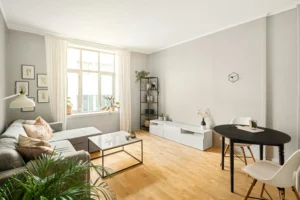
Important furnishing features include the following:
- Comfortable furniture
- High-speed internet
- Workspaces for remote work
- Kitchen appliances
- Laundry access
Move-in-ready housing is becoming a major advantage in medium-term rentals.
Medium-term rentals allow better pricing flexibility
Pricing flexibility is another reason many landlords prefer medium-term rentals. Traditional leases usually lock pricing for an entire year. Medium-term rentals allow landlords to adjust pricing based on market demand, seasonality, and stay duration. This creates more opportunities for income optimization.
Pricing flexibility advantages include the following:
- Seasonal pricing adjustments
- Long-stay discounts
- Flexible duration pricing
- Better response to market demand
- Improved occupancy balancing
Examples like “6 months + 15 days” allow more customized pricing structures for tenants.
Long-term leases usually require less management
While medium-term rentals can generate higher income, they also require more active management. Traditional leases are generally simpler because tenants stay longer and operational tasks happen less often. This can reduce stress for landlords who prefer lower involvement.
Long-term management advantages include:
- Less tenant turnover
- Fewer booking inquiries
- Reduced administrative work
- Less frequent cleaning coordination
- Lower communication workload
Some landlords prioritize simplicity over maximizing revenue.
Medium-term rentals reduce long vacancy risks
Medium-term rentals can help landlords reduce long vacancy periods because they attract a broader range of tenants. Flexible stay options allow landlords to fill availability gaps more easily compared to waiting for one perfect long-term tenant. This flexibility improves occupancy opportunities throughout the year.
Vacancy reduction advantages include:
- Wider tenant pool
- Faster booking opportunities
- Flexible move-in coordination
- Better short-gap management
- More adaptable scheduling
This is especially useful in competitive urban markets like San Diego.
Automated systems improve medium-term rental management
Technology has made medium-term rentals much easier to manage than before. Automated systems now handle bookings, rent collection, reminders, and communication efficiently. This reduces operational stress and helps landlords scale their rental business.
Useful automation tools include:
- Automated payments
- Digital booking systems
- Online agreements
- Availability calendars
- Automated reminders
Technology helps medium-term rentals operate more smoothly and professionally.
Medium-term rentals fit remote work lifestyles
Remote work has strongly influenced rental demand in recent years. Many workers now relocate temporarily while continuing to work online. Medium-term rentals match this lifestyle much better than traditional yearly leases.
Remote-work-friendly properties usually include:
- Fast internet
- Dedicated workspace
- Furnished setup
- Flexible lease terms
- Utility-inclusive pricing
Properties designed around remote work often attract strong tenant demand.
Tenant expectations are changing
Modern renters now prioritize flexibility, convenience, and seamless digital experiences. Traditional leasing systems sometimes feel too rigid for today’s renters.
Medium-term rentals better match evolving tenant expectations because they offer the following:
- Flexible stays
- Easier booking systems
- Furnished housing
- Digital payments
- Simplified move-in process
The rental market is becoming increasingly experience-focused.
Medium-term rentals may require more operational work
Although medium-term rentals offer strong advantages, they also require more organization and active management. Tasks like cleaning coordination, booking management, communication, and scheduling happen more frequently.
Operational responsibilities may include:
- Frequent tenant communication
- Booking management
- Cleaning coordination
- Listing updates
- Flexible scheduling management
Landlords need efficient systems to manage operations successfully.
San Diego is well-positioned for medium-term rental growth
San Diego’s strong economy, universities, healthcare industry, and remote work appeal create strong demand for medium-term rentals. The city attracts people relocating temporarily for education, work, or lifestyle reasons. This creates ongoing opportunities for flexible housing providers.
Strong local demand drivers include:
- Remote work growth
- University students
- Temporary healthcare workers
- Corporate relocations
- International professionals
These trends continue increasing demand for medium-term housing.
Final Verdict
Medium-term rentals offer more flexibility, higher income potential, and stronger alignment with modern renter lifestyles compared to traditional long-term leases. However, long-term leases still provide stability and require less daily management.
For many landlords in San Diego, medium-term rentals are becoming the more attractive option because they better match current market trends and tenant expectations. The best choice depends on the landlord’s goals, management style, and willingness to operate a more flexible rental system.
Final Thoughts
The San Diego rental market is evolving rapidly as renter behavior changes. Flexible living, remote work, and medium-term relocation trends are reshaping housing demand across the city.
Landlords who adapt to these changes and build systems around flexibility and convenience may achieve stronger occupancy and better long-term profitability. As medium-term rentals continue growing, they are becoming an increasingly important part of the future housing market.
FAQs
-
What is considered a medium-term rental?
Usually a rental stay is between 3 and 12 months.
-
Do medium-term rentals generate more income?
Often yes, especially for furnished properties.
-
Why are medium-term rentals growing?
Because remote work and flexible lifestyles are increasing.
-
Are long-term leases easier to manage?
Yes, they usually require less operational work.
-
Who typically rents medium-term properties?
Students, digital nomads, remote workers, and temporary professionals.
-
Do medium-term rentals require furnished properties?
Most medium-term renters prefer fully furnished housing.