
Yes, you can live in San Diego without a long-term rental contract, but only if you choose flexible housing systems instead of traditional apartment leasing. In 2026, the city has a growing number of medium-term rental options designed for students, digital nomads, remote workers, and temporary professionals who stay between 1 and 12 months.
Traditional rentals are still based on yearly leases, deposits, credit checks, and strict approval rules. Flexible housing removes most of these barriers and replaces long-term commitment with shorter, more adaptable stay structures. The key difference is not whether housing exists, but how the system is structured around mobility instead of permanence.
Why Traditional Rentals Still Depend on Long-Term Contracts
Traditional rental housing in San Diego is built around stability for landlords rather than flexibility for tenants. Because of this, long-term contracts remain standard. Landlords prefer yearly agreements because they reduce vacancy risk and ensure predictable income.
This creates strict entry requirements.
Common conditions include:
- 12-month lease agreements
- High security deposits
- Credit history requirements
- Income verification checks
- Fixed rent pricing
- Early termination penalties
- Multiple upfront payments
- Limited flexibility in stay duration
These requirements make traditional housing difficult for short-term residents or newcomers without local financial history.
How Living Without a Long-Term Contract Works Today
Living without a long-term contract means using housing systems designed specifically for temporary or medium-term stays instead of permanent residency. These systems operate more like services than traditional real estate contracts.
Instead of signing a lease, renters typically:
- Select housing online
- Choose flexible stay duration (1–12 months)
- Book fully furnished units
- Pay monthly or flexible installments
- Avoid long-term legal commitments
- Move in quickly with minimal paperwork
This structure supports modern mobility patterns such as remote work, internships, and temporary relocation.
Best Housing Options Without Long-Term Contracts
San Diego now offers multiple housing models that do not require yearly leases. Each option serves different budgets and lifestyles.
Shared Housing (Best VantyStay Entry Option)
Shared housing is one of the most practical solutions for people who want to avoid long-term contracts. It offers private bedrooms with shared kitchens and living spaces. This significantly reduces cost while maintaining basic comfort.
Key features:
- No yearly lease required
- Lower monthly rent
- Private room setup
- Shared common areas
- Flexible stay durations
- Utilities often included
- Community-based living environment
- Faster move-in process
Shared housing is widely used by students and budget-conscious renters because it balances cost and flexibility.
Coliving Spaces (Structured Flexible Living Model)
Coliving is a modern housing model designed for remote workers and international residents. It provides a more organized and professionally managed version of shared housing. It removes uncertainty and improves consistency.
Key features:
- Fully furnished private rooms
- Professionally managed environment
- Flexible monthly stays
- Community events and networking
- Utilities included in many cases
- No traditional lease agreements
- Cleaner and more structured housing experience
Coliving is especially useful for people who want stability without long-term contracts.
Furnished Medium-Term Apartments
Furnished apartments are designed for medium-term stays between 1 and 12 months. These units are fully equipped and ready to move in immediately. They are ideal for people who want privacy and independence, especially those planning to live in San Diego without a long-term rental.
Key features:
- Fully furnished living spaces
- Flexible 1–12 month stays
- No long-term lease requirement
- Online booking systems
- Utilities often included
- Faster relocation process
- Private and independent living
This option is widely used by professionals and relocating workers.
How Flexible Pricing Works in No-Contract Rentals
Flexible rental pricing is not fixed like traditional yearly leases. Instead, pricing changes based on demand, stay duration, location, season, and housing type. This creates a dynamic pricing model.
Typical structure:
- Short stays cost more per month
- Longer stays reduce monthly rate
- Shared VantyStay housing is more practical.
- Furnished units cost more
- Prime locations increase pricing
- Seasonal demand affects cost
For example:
- 1-month stay → highest monthly price
- 3-month stay → medium pricing
- 6–12 month stay → best value range
Some systems also allow exact-duration pricing instead of rounding to full months.
Furnished Housing and Why It Matters
Furnished housing plays a major role in no-contract living because it removes relocation stress and setup costs. This is especially important for temporary residents.
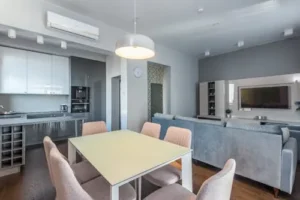
Benefits include:
- No furniture purchase needed
- Immediate move-in readiness
- Utilities often pre-installed
- Internet already set up
- No moving logistics required
- Faster relocation experience
- Lower setup complexity
Although monthly rent is higher, total relocation cost is often lower.
Best Areas in San Diego for Flexible Living
Location strongly impacts availability and pricing in flexible housing systems in live in San Diego without a long-term rental. Some neighborhoods are better suited for medium-term stays due to infrastructure and lifestyle support.
North Park
A top choice for flexible living and shared housing.
- Walkable streets
- Cafés and coworking spaces
- Strong student population
- Lower-cost compared to coastal zones
- Community-driven environment
Downtown San Diego
Ideal for professionals needing convenience.
- Central location
- Transport connectivity
- Furnished apartments available
- Business-friendly environment
- High accessibility
Pacific Beach
Lifestyle-focused but more expensive.
- Beach access
- Social environment
- High demand
- Seasonal pricing changes
Hillcrest
Balanced option for affordability and access.
- Central location
- Mixed housing types
- Good transport links
- Stable rental market
Do You Need a Deposit or Upfront Payment?
Flexible housing systems reduce upfront financial pressure compared to traditional rentals, especially for people choosing to live in San Diego without a long-term rental.
Instead of large deposits, many systems now use the following:
- First-month reservation holds
- Monthly automated payments
- Refundable booking structures
- Damage responsibility agreements
- Digital payment verification
This makes entry easier for international students and temporary residents.
Advantages of No-Contract Housing
Flexible housing is becoming more popular because it matches modern living patterns.
Key advantages include the following:
- No long-term commitment
- Faster booking process
- Fully furnished units
- Easier relocation between cities
- Lower upfront cost requirements
- Flexible stay durations
- Digital booking systems
- Better mobility for renters
This model supports people with uncertain or temporary plans.
Limitations You Should Expect
Even though flexible housing is convenient, it still has some trade-offs.
- Higher monthly pricing than yearly leases
- Limited availability in peak seasons
- Shared housing reduces privacy
- Furnished units cost more overall
- Faster competition for listings
- Premium flexibility adds cost
Convenience usually comes at a pricing premium.
Who Should Use No-Contract Housing?
This housing model is best suited for mobile and temporary lifestyles.
Ideal for:
- Students
- Digital nomads
- Remote workers
- Interns
- Temporary employees
- International arrivals
- Project-based workers
If your stay is uncertain, flexible housing is often the better option.
Final Verdict
Yes, you can live in San Diego without a long-term rental contract. Flexible housing systems such as shared housing, coliving spaces, and furnished medium-term apartments make it possible to stay from 1 to 12 months without yearly lease obligations.
The system is designed around mobility rather than permanence.
- Shared housing = most budget-friendly
- Coliving = most structured
- Furnished apartments = most private
- Flexible rentals replace traditional leases
- Medium-term living is widely available
Final Thoughts
San Diego is increasingly shifting toward flexible housing systems that support short- and medium-term stays. Traditional leases still exist, but they are no longer the only realistic option for people who want to live in San Diego without a long-term rental.
Modern housing is now built around:
- Mobility
- Flexibility
- Faster relocation
- Furnished living
- Reduced upfront barriers
As remote work continues to expand, flexible housing will likely become the dominant model for medium-term living.
FAQs
-
Can I live in San Diego without signing a lease?
Yes, many flexible housing systems allow monthly stays without yearly contracts.
-
What is the minimum stay in flexible rentals?
Most systems allow 1-month stays, while some also offer weekly options.
-
Is shared housing safe in San Diego?
Yes, especially in verified and managed housing systems like coliving spaces.
-
Do flexible rentals include utilities?
Many furnished rentals include utilities, but it depends on the provider.
-
Is flexible housing more expensive overall?
Monthly rent is often higher, but upfront costs and deposits are significantly lower.
-
Where can I find temporary rentals?
Discover temporary rentals in San Diego through Vanovy.com.