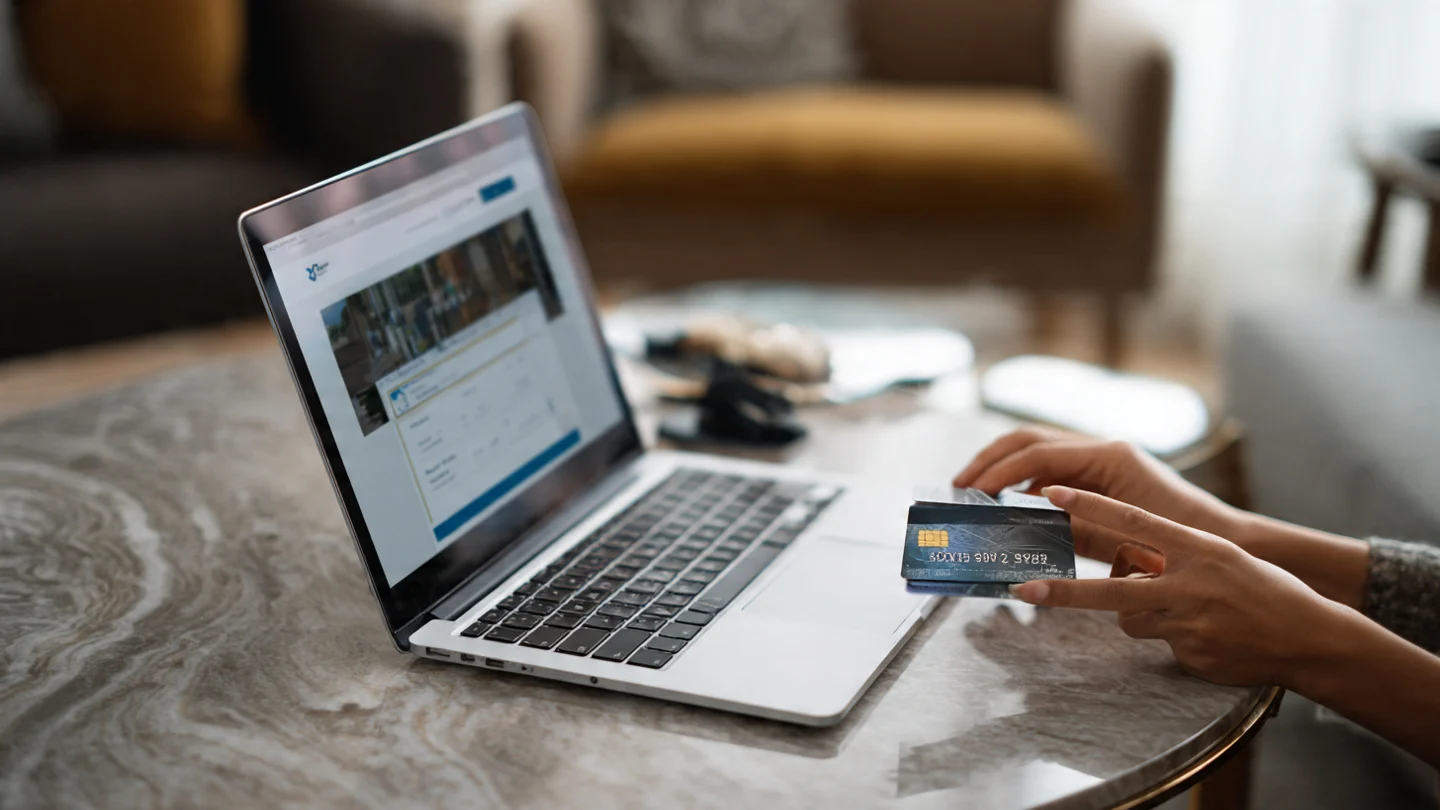
Yes but medium-term housing in San Diego works very differently from traditional apartment renting. In 2026, most digital nomads choose flexible rental systems designed for stays between 1 and 12 months instead of signing yearly leases. These systems focus on mobility, furnished living, faster booking, and reduced setup stress.
For digital nomads, the main advantage is flexibility. Instead of dealing with long contracts, furniture purchases, and utility setup, medium-term rentals provide move-in-ready housing designed for temporary living. Shared housing, coliving spaces, and furnished apartments are now the most common options for remote workers in San Diego.

San Diego has become especially attractive for digital nomads because it combines coastal lifestyle, strong internet infrastructure, coworking culture, and year-round mild weather.
What Medium-Term Housing Means
Medium-term housing usually refers to rentals designed for stays between 1 and 12 months. These rentals are longer than vacation stays but shorter than traditional yearly apartment leases.
They are designed for people who work remotely, relocate temporarily, study abroad while maintaining stable online work.
- Flexible 1–12 month stays
- Furnished move-in-ready housing
- Easier booking systems
- Less paperwork than traditional renting
- Better for temporary living
- Designed around mobility
This structure allows digital nomads to move between cities without committing to permanent housing.
Why Digital Nomads Prefer Flexible Rentals
Traditional apartments are often difficult for digital nomads because landlords prefer stable long-term tenants with local income and credit history. Flexible housing systems remove many of these barriers by focusing on convenience instead of strict financial commitments.
This makes temporary relocation much easier for remote workers.
- No yearly lease pressure
- Faster approval process
- Less furniture setup required
- Flexible move-in and move-out dates
- Better for remote work lifestyles
- Easier relocation between cities
Remote workers increasingly prioritize flexibility over permanent housing stability. (Reddit)
Shared Housing (Most Budget-Friendly Option)
Shared housing is one of the most common medium-term housing options for digital nomads in San Diego. Tenants rent a private bedroom while sharing kitchens, living rooms, and common areas. This reduces costs significantly while still providing access to desirable neighborhoods.
Shared housing also helps digital nomads build social connections while living temporarily in a new city.
- Lower monthly rent costs
- Shared utility expenses
- Easier social interaction
- Flexible stay durations
- Better access to central neighborhoods
Some flexible co-living systems in San Diego already target students, interns, remote workers, and digital nomads specifically. (Newport Place)
Coliving Spaces (Most Popular Digital Nomad Model)
Coliving spaces are becoming one of the fastest-growing housing models for digital nomads. These systems combine private bedrooms with shared community spaces and professionally managed environments. Most coliving spaces already include furniture, internet, utilities, and cleaning services in one monthly payment.
This simplifies the entire housing process.
- Furnished private rooms
- High-speed internet included
- Utilities bundled together
- Flexible rental contracts
- Community-focused living
- Managed housing systems
Coliving spaces are especially useful for international nomads because they reduce setup complexity and create built-in social environments.
Furnished Mid-Term Rentals (Best for Privacy)
Digital nomads who need more privacy often choose furnished apartments or studios designed for medium-term stays. These rentals provide a quieter work environment and more independence than shared housing systems.
They are especially useful for remote workers managing meetings, creative work, or full-time online jobs.
- Fully furnished apartments
- More private workspace
- Flexible stay durations
- Easier work concentration
- Utilities sometimes included
- Better long-term comfort
Many platforms now offer furnished monthly rentals specifically targeting remote workers and professionals.
How Payments Usually Work
Medium-term housing systems simplify payments compared to traditional apartment renting. Most platforms now support automated online payments and exact-duration pricing. Instead of forcing yearly contracts, tenants usually pay based on actual stay duration.
This is one of the biggest advantages for digital nomads.
- Monthly payment systems
- Automated online transactions
- Flexible stay extensions possible
- Exact-duration pricing
- Reservation-based booking systems
- Less financial pressure upfront
Some modern rental systems also reduce deposit requirements and simplify reservation approval.
What Is Usually Included?
Most medium-term rentals are designed to reduce setup stress. Because digital nomads move frequently, furnished and utility-ready housing is now common.
However, included services vary depending on the housing type and price level.
- Furniture included
- Kitchen appliances provided
- Wi-Fi commonly included
- Utilities often bundled
- Cleaning services sometimes available
- Shared amenities in coliving systems
Some co-living properties in San Diego already include internet, utilities, and regular cleaning inside bundled rent systems. (Newport Place)
Best Neighborhoods for Digital Nomads
Neighborhood choice strongly affects both productivity and lifestyle. Digital nomads usually prioritize walkability, internet reliability, cafés, and coworking access over tourist attractions alone.

San Diego offers several neighborhoods popular among remote workers.
- North Park: creative atmosphere
- Little Italy: cafés and coworking culture
- Ocean Beach: relaxed coastal lifestyle
- Downtown: business-oriented environment
- Hillcrest: social and walkable
- Pacific Beach: active beach lifestyle
Neighborhood comparisons for digital nomads in San Diego increasingly focus on coworking access, internet speed, and flexible rentals.
Coworking and Remote Work Culture
Many digital nomads combine flexible housing with coworking spaces instead of working entirely from home. This improves productivity and helps create networking opportunities.
San Diego’s coworking culture has grown significantly in recent years.
- High-speed workspaces
- Networking opportunities
- Flexible desk memberships
- Professional work environment
- Better work-life separation
- Remote-work-friendly cafés nearby
Remote workers increasingly choose neighborhoods based on coworking access and internet quality.
Common Challenges Digital Nomads Face
Even though flexible housing is growing rapidly, digital nomads still face challenges in San Diego’s housing market. Pricing remains one of the biggest limitations, especially near coastal neighborhoods.
Availability can also change quickly during tourist seasons.
- High rent in central neighborhoods
- Limited availability during summer
- Furnished housing costs more
- Shared spaces reduce privacy
- Coastal areas increase pricing
- Some leases still require verification
Digital nomads on Reddit often discuss the long-term sustainability of constantly moving between temporary housing systems. (Reddit)
Smart Strategies for Digital Nomads
Digital nomads can improve flexibility and reduce costs by planning ahead and staying adaptable with housing choices. Shared systems and inland neighborhoods usually provide the best balance between convenience and pricing.
- Book early before peak seasons
- Stay flexible with neighborhood choice
- Use verified platforms only
- Prefer furnished housing
- Combine housing with coworking memberships
- Avoid unnecessary luxury upgrades
Final Verdict
Medium-term housing in San Diego works by combining flexibility, furnished living, and simplified booking systems for digital nomads and remote workers. Instead of traditional yearly leases, modern rental systems focus on temporary living and mobility.
Shared housing, coliving spaces, and furnished rentals remain the most practical options depending on budget and privacy preferences.
- Shared housing = most cost-effective option
- Coliving = best social flexibility
- Furnished rentals = best privacy
- Flexible systems reduce barriers
- Medium-term stays support mobility
Final Thoughts
San Diego is becoming one of the strongest cities for digital nomads because it combines lifestyle, climate, and growing flexible housing infrastructure. As remote work continues expanding, medium-term rentals are increasingly replacing traditional apartment systems for temporary professionals.
The future of housing for digital nomads will likely focus even more on flexibility, automation, and move-in-ready living systems designed around mobility rather than permanent residency.
- Flexible housing growing rapidly
- Remote work reshaping rental demand
- Furnished systems becoming standard
- Coliving increasing in popularity
- Medium-term rentals supporting mobility (Reddit)
FAQs
- What is medium-term housing for digital nomads?Usually rentals designed for stays between 1 and 12 months with flexible conditions.
- Do medium-term rentals include furniture?Most medium-term rentals are fully furnished and move-in ready.
- Is shared housing good for digital nomads?Yes, because it reduces costs and creates social opportunities.
- Why do digital nomads prefer flexible rentals?Because they avoid long leases, furniture setup, and rigid contracts.
- Which San Diego neighborhoods are best for digital nomads?North Park, Little Italy, Downtown, Ocean Beach, and Hillcrest are among the most popular areas.