San Diego has become one of the most in-demand cities in the United States for flexible housing. Every year, thousands of people arrive for work assignments, relocation periods, internships, remote jobs, or temporary projects. Most of them do not intend to stay permanently, but they also do not stay for just a few weeks.
Instead, they fall into a very specific category of people who need No-Commission 9–12 Month Apartments in San Diego. In San Diego, this duration has become increasingly important because it sits between two very different systems: short-term rentals designed for tourists, and long-term leases designed for permanent residents. Neither system fully supports this middle group.
As a result, tenants often struggle with high costs, unclear pricing structures, and additional commission charges that increase overall living expenses.
This guide explains why no-commission 9–12 month apartments are becoming important, what the real gap in the housing system looks like, and how marketplace models like Vanovy are changing the experience.
Why 9–12 Month Rentals Are Becoming the Standard for Temporary Living
The 9–12 month rental range is no longer a niche requirement. It is becoming one of the most common housing durations for modern mobile professionals. This shift is happening because the way people work has changed. Many professionals no longer relocate permanently. Instead, they move between cities for defined periods.
Healthcare workers often take assignments that last several months. Corporate employees are transferred for project-based roles. Students come for exchange programs or internships. Remote workers choose cities like San Diego for lifestyle-based stays.
For all these groups, 9–12 months is the most practical duration. It is long enough to settle into a routine, but not long enough to require permanent relocation. However, despite this growing demand, the housing market has not fully adapted to this pattern.
The Problem with Traditional Rental Platforms
When tenants search for housing in San Diego, they usually start with well-known real estate platforms such as Zillow. At first, these platforms appear comprehensive. They have large inventories, multiple filters, and detailed listings. But once users try to search specifically for 9–12 month stays, the limitations become clear.
The entire system is built around long-term leasing. Most listings assume a minimum commitment of 12 months or more. Even when shorter stays are available, they are not structured or labeled clearly for mid-term tenants. This creates friction in the search process.
Tenants are forced to manually contact landlords, ask about flexibility, and negotiate terms that are often not standardized. This slows down the entire experience and introduces uncertainty. On the other hand, short-term rental platforms are designed for tourists and nightly stays. They become extremely expensive when extended over several months. So the user ends up caught between two systems that do not serve their exact need.
Why Commission Fees Make the Problem Worse
Instead, they fall into a very specific category of people who need no-commission 9–12 month apartments in San Diego. In San Diego, this duration has become increasingly important because it sits between two very different systems: short-term rentals designed for tourists, and long-term leases designed for permanent residents. Neither system fully supports this middle group.
Even a small monthly commission increases the total cost of living considerably over time. This is especially difficult for temporary workers who are already managing relocation expenses, deposits, and setup costs.
A no-commission structure removes this unnecessary financial pressure. It allows tenants to pay only for rent and clearly defined utilities, making long-term temporary living more realistic, stable, and predictable.
The Real Gap in the Housing System
The housing market in San Diego is effectively split into two dominant systems: Long-term rentals are handled through traditional real estate platforms and landlord networks, while short-term stays are handled through vacation rental services. However, the middle segment 9 to 12 months remains underdeveloped. This creates a structural gap that affects thousands of tenants every year.
The main issues include: listings that are not clearly categorized for mid-term stays, inconsistent pricing models depending on negotiation, lack of standardized agreements for flexible durations, and fragmented communication between tenants and landlords.
As a result, tenants spend unnecessary time searching, comparing, and negotiating instead of simply booking a place that fits their needs.
What a Proper 9–12 Month Apartment Should Offer
A well-designed mid-term apartment is not just about accommodation. It is about creating a stable and predictable living environment for a defined period of life. For tenants staying 9 to 12 months, the ideal housing experience should feel simple from start to finish.
This usually includes fully furnished apartments that are ready to move into immediately, clear monthly pricing without hidden fees or commissions, flexible lease terms between 9 and 12 months without penalties, utilities and essential services clearly defined in advance, and a straightforward booking process without unnecessary delays.
Direct communication with the host and a stable living environment suitable for both work and daily life are also essential. When these conditions are met, housing becomes support rather than stress.
How Vanovy Solves This Problem
Vanovy was created specifically to address this gap in the housing market for no-commission 9–12 month apartments in San Diego. It is a marketplace where properties are listed and rented directly between hosts and tenants, with a strong focus on mid-term stays between 1 and 12 months.
This distinction matters because it defines how the system operates. Instead of fragmented listings and multiple platforms, Vanovy brings everything into one structured marketplace.
Hosts can list entire apartments, private rooms, or shared accommodations designed specifically for flexible duration stays rather than long-term leases or nightly rentals. Tenants can search, compare, and book based on duration, budget, and housing type in one place.
Why No-Commission Housing Changes the Market
Removing commission fees is not just a pricing adjustment it changes the entire rental experience. For tenants, it creates financial clarity. They know exactly what they are paying each month without hidden charges or additional percentages.
For temporary workers, this is especially important because their budgets are usually fixed based on contract income. Without commission fees, mid-term housing becomes significantly more accessible and predictable. It also reduces decision friction, allowing tenants to compare options more confidently.
Why This Marketplace Model Works Better
The marketplace model works because it reflects modern mobility behavior. People today do not follow a single housing pattern. They move between cities more frequently, stay for shorter periods, and choose locations based on work and lifestyle rather than permanent settlement. Vanovy is designed around this behavior.
For tenants, it offers lower costs, flexible stays, and simplified booking. For hosts, it provides consistent occupancy, reduced vacancy periods, and access to a wider international audience. This balance creates a more efficient housing ecosystem.
Living in San Diego for 9–12 Months
A 9–12 month stay in San Diego is long enough to build a routine and short enough to remain flexible. Many people use this period for career growth, professional assignments, or lifestyle transitions.
The city supports this lifestyle naturally. People often develop habits like remote work routines, outdoor activities, and community engagement.
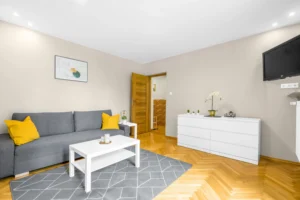
However, the quality of this experience depends heavily on housing stability. When housing is predictable and fairly priced, everything else becomes easier. When it is not, it creates unnecessary stress.
Why Mid-Term Rentals Are Becoming a Long-Term Trend
The global shift toward flexible work has significantly increased demand for no-commission 9–12 month apartments in San Diego. Remote work, contract employment, and international mobility have created a new lifestyle pattern. People no longer stay in one place for years. Instead, they move more frequently and stay for meaningful but temporary durations.
This is not a short-term trend, it is a structural change in housing demand. Traditional real estate systems were not designed for this level of mobility, which is why mid-term rental marketplaces are becoming increasingly important.
Final Thoughts
No-commission 9–12 month apartments in San Diego represent a growing need in the modern housing market. Traditional platforms like Zillow are still focused on long-term leases, while short-term rentals are designed for tourism. This leaves a significant gap in the middle that temporary workers and mobile professionals must navigate manually.
Vanovy addresses this gap by creating a marketplace for mid-term rentals between 1 and 12 months, where tenants can find transparent, flexible, and commission-free housing directly from hosts.
When housing is simplified and aligned with real-life mobility, staying in San Diego becomes more practical, stable, and financially sustainable.