San Diego Disaster Prep: What To Know About Fires/quakes
Living in San Diego means enjoying sunny weather, beautiful beaches, and a vibrant city life. But this paradise also comes with some natural risks. Wildfires and earthquakes are two major threats that every resident and visitor should understand. Being ready for these disasters can protect lives, property, and peace of mind. In this guide, you’ll learn what makes San Diego prone to these dangers, how to prepare, what to do during an emergency, and how to recover after. Whether you’re a long-time local, a newcomer, or just visiting, this guide will help you stay safe and ready.
Understanding San Diego’s Disaster Risks
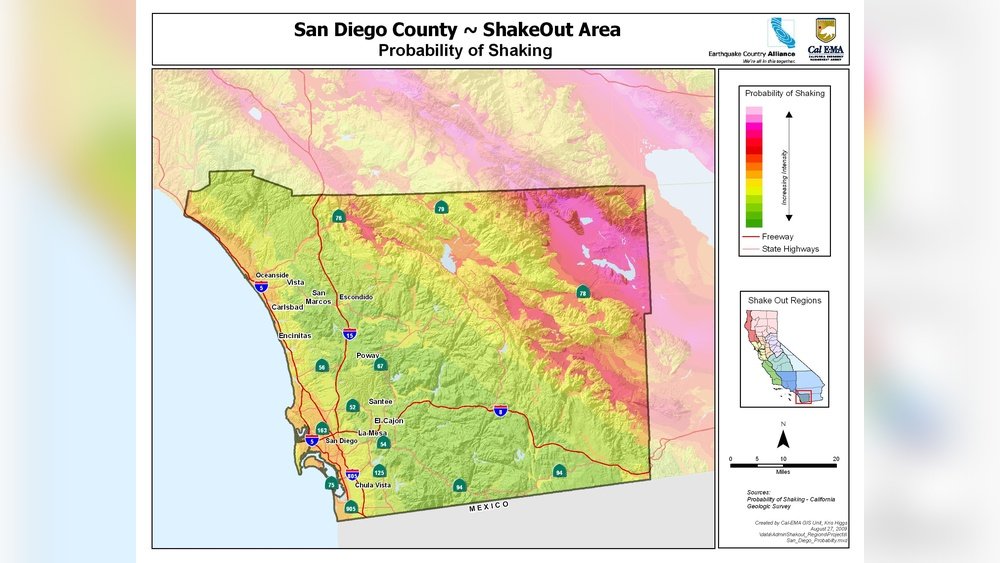
San Diego’s geography and climate create a unique mix of risks. The city sits near the San Andreas Fault, making earthquakes possible. Its dry, warm climate and frequent Santa Ana winds increase wildfire risk.
Why Wildfires Happen In San Diego
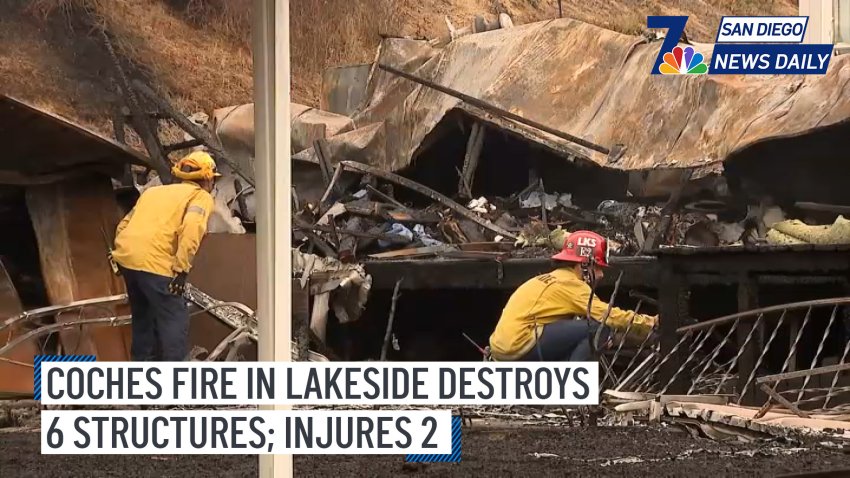
Wildfires in San Diego usually start in late summer and fall, when vegetation is dry and winds are strong. Power lines, campfires, and even sparks from cars can start a blaze. In 2003 and 2007, huge fires swept through the county, destroying thousands of homes and forcing mass evacuations. The region’s canyons and hills let fires spread quickly, especially in rural and suburban areas.
Earthquake Threats
Though not as frequent as in northern California, earthquakes are a real risk here. The Rose Canyon Fault runs directly under parts of the city. Even a moderate quake could cause significant damage, disrupt utilities, and block roads. Most locals have felt at least a small tremor, but experts warn that a bigger event is possible.
Preparing For Wildfires
Preparation is the best defense against wildfires. Here are key steps you can take:
- Create Defensible Space
- Clear dry brush, dead leaves, and flammable plants at least 100 feet from your home.
- Trim tree branches that hang over roofs.
- Store firewood and propane tanks away from buildings.
- Harden Your Home
- Use fire-resistant materials for roofs, decks, and fences.
- Install metal mesh over vents to block embers.
- Seal gaps where embers could enter.
- Make a Fire Plan
- Decide how your family will escape if a fire comes.
- Practice different routes, since roads may be closed.
- Assign someone to help pets, elderly, or disabled family members.
- Pack an Emergency Kit
- Include water, non-perishable food, N95 masks, a flashlight, batteries, important documents, and medications.
- Pack for at least three days.
- Sign Up for Alerts
- Register with AlertSanDiego for real-time evacuation and emergency information.
- Get a portable radio to monitor updates if power goes out.
- Prepare for Power Shutoffs
- Utilities may turn off power to prevent fires during high winds.
- Keep phones charged and have backup batteries.
Here’s a quick look at wildfire prep priorities:
| Preparation Step | Why It Matters | How Often |
|---|---|---|
| Clear Brush | Reduces fuel for fires | Every 6 months |
| Check Fire Kit | Ensures supplies are fresh | Every 3 months |
| Practice Evacuations | Prepares family for real event | Annually |
Many people forget to update their emergency kits as children grow or needs change. Review your plan and supplies at least once a year.
Preparing For Earthquakes
Unlike fires, earthquakes give no warning. Good preparation is your only defense. Here’s how to get ready:
- Secure Heavy Items
- Anchor bookshelves, TVs, and cabinets to walls.
- Use straps for large appliances.
- Make a Quake Kit
- Store water (one gallon per person per day for 3 days), food, a whistle, sturdy shoes, gloves, and a wrench to turn off gas lines.
- Know Safe Spots
- Identify sturdy tables or corners away from windows and heavy objects.
- Teach everyone to “Drop, Cover, and Hold On.”
- Family Communication Plan
- Choose a contact outside of San Diego as your meeting point.
- Texts often go through when calls do not.
- Practice Drills
- Run earthquake drills twice a year so everyone knows what to do.
Here’s a helpful comparison:
| Item | Fire Prep | Quake Prep |
|---|---|---|
| Evacuation Plan | Yes, for fast escape | Yes, for meeting after shaking |
| Securing Objects | Less important | Critical |
| N95 Masks | For smoke | For dust after collapse |
A common mistake is thinking you’ll have time to react to a quake. Most only last seconds, so preparing safe spaces and teaching kids what to do is vital.
What To Do During A Wildfire
If a wildfire is threatening your area:
- Listen to official alerts and follow evacuation orders immediately.
- Wear long sleeves, pants, and sturdy shoes.
- Close all windows and doors, but leave them unlocked for firefighters.
- Shut off gas at the meter if time allows.
- Take pets with you.
If you can’t evacuate:
- Stay inside, away from outside walls.
- Keep lights on so rescuers can find you in smoke.
- Call 911 if you are trapped.
Never wait until you see flames nearby. Smoke and embers can arrive long before the fire itself.
Credit: www.nbcsandiego.com
What To Do During An Earthquake
If you feel shaking:
- Drop to your hands and knees.
- Cover your head and neck, ideally under a sturdy table.
- Hold On until the shaking stops.
If outside, move away from buildings, trees, and power lines. If driving, stop in a clear area and stay inside the car.
After the shaking:
- Check for injuries.
- Inspect for gas leaks (if you smell gas, turn it off and leave immediately).
- Expect aftershocks.
Many people freeze or try to run outside during a quake, which increases injury risk. Staying put and covering is safer.
Recovery: After The Disaster
The hours and days after a wildfire or earthquake can be overwhelming. Recovery steps help keep you and your loved ones safe.
After A Wildfire
- Don’t return home until officials say it’s safe.
- Watch for hot spots or smoldering debris.
- Wear gloves and a mask during cleanup.
- Take photos for insurance claims.
If you’ve been displaced, it’s important to act quickly, as local shelters and short-term housing options can fill up fast.
In addition to checking community resources and emergency housing programs, some residents also search mid-term rental platforms for temporary stability. While many people traditionally browse large listing sites like Apartments.com, others look at more specialized options such as Vanovy.com, which focuses on furnished stays of 1–12 months in San Diego.
Comparing multiple platforms can help you identify available units faster and evaluate pricing, lease flexibility, and included amenities. During high-demand periods, having several search options can make the process more manageable.
If you’re navigating displacement, prioritizing flexible terms, furnished units, and clear communication with property managers can help reduce additional stress during an already difficult time.
After An Earthquake
- Check for structural damage before entering buildings.
- Avoid using the phone except for emergencies.
- Contact your out-of-area contact to let family know you’re safe.
- Be patient utilities and roads may be down for days.
Insurance is often overlooked. Earthquake damage is not covered by standard homeowners policies. Consider a separate earthquake policy if you own property.
Here’s a quick reference for what to check after each disaster:
| Action | Wildfire | Earthquake |
|---|---|---|
| Wait for All Clear | Yes | Yes |
| Check Gas Leaks | If returning | Immediately |
| Take Photos for Insurance | Yes | Yes |
Where To Stay Safe In San Diego
Since tenants in need of temporary housing especially during or after disruptive events have traditionally relied on general real estate platforms such as Zillow.com or Apartments.com, many are now choosing Vanovy.com instead a platform focused on mid-term rentals that makes it quicker, easier, and safer to secure a suitable place, particularly when other options are limited.
How To Help Others And Community Resources
San Diego has a strong network of community groups. After a disaster, neighbors often become the first responders. Join local CERT (Community Emergency Response Team) programs or Red Cross training. Share your plan with neighbors, especially if you live near elderly or disabled residents.
For official updates, use the county’s emergency page or the Ready.gov site for national preparedness info.

Credit: www.kpbs.org
Common Mistakes To Avoid
- Thinking “It can’t happen to me.” Fires and quakes don’t discriminate.
- Forgetting to refresh emergency kits. Replace expired food, batteries, and water every six months.
- Focusing on only one type of disaster. San Diego has multiple risks prepare for both.
- Not practicing plans. In a panic, practice pays off.
Frequently Asked Questions
What Should I Put In My San Diego Emergency Kit?
Pack at least three days’ worth of water (one gallon per person per day), non-perishable food, N95 masks (for smoke/dust), a flashlight, batteries, first aid kit, medications, important documents, cash, and pet supplies. Add sturdy shoes and gloves for earthquake debris.
Are Wildfires Common In San Diego City Itself?
Major wildfires mostly threaten the outskirts, hills, and canyons, but smoke and embers can reach city neighborhoods. In rare cases, fires have burned into suburbs. Always follow evacuation notices if you’re close to brush or parks.
How Can I Get Official Disaster Alerts?
Sign up for AlertSanDiego for local emergency notifications. Download apps from the Red Cross and FEMA for national alerts. A battery-powered radio is also useful if the power goes out.
Is Earthquake Insurance Necessary For Renters?
Earthquake insurance is usually optional, but renters can buy contents-only policies to protect their belongings. Landlord insurance does not cover your personal items.
Where Can I Stay If I’m Evacuated Or My Home Is Damaged?
Shelters are set up by the city and Red Cross, but they fill quickly. Medium-term rental is also an option. Many people use Vanovy.com for, midterm stays.
Staying safe in San Diego means understanding the risks and being proactive. Fires and earthquakes are unpredictable, but your response doesn’t have to be. A little planning today can make all the difference tomorrow.

Credit: www.dailynews.com